Thermal Management System: Everything You Need to Know About Battery and Electronics Cooling
Related Topics
Discover how thermal management systems work to protect batteries and electronics from overheating. Learn about cooling methods, applications, and solutions for EVs and more.
Follow us on
When you feel your laptop getting hot during heavy use or notice your phone's performance drop on a scorching day, you're experiencing what happens when heat isn't managed properly. We're here to break down how thermal management systems work, why they matter, and how different industries tackle this heat challenge.
Every electronic device generates heat—it's just physics. But here's the catch: too much heat can tank performance, shorten lifespan, and even create safety risks. A thermal management system steps in as the temperature control expert, keeping everything running smoothly within safe operating ranges.
What Is a Thermal Management System
A thermal management system is basically a temperature regulator for electronics and batteries. It uses various methods—cooling, heating, or both—to keep components within their optimal temperature range. Think of it as climate control for your devices, but way more technical.
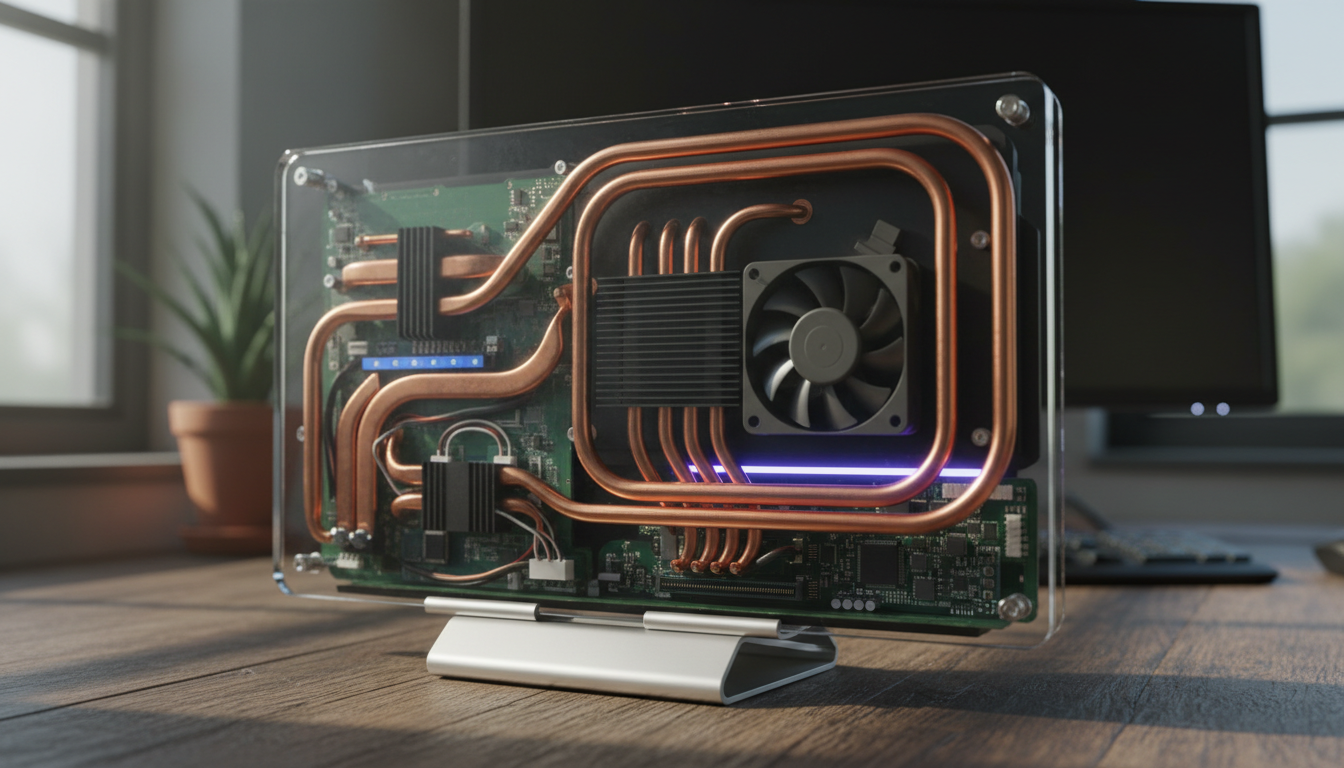
These systems rely on three fundamental heat transfer principles: conduction (heat moving through physical contact), convection (heat carried away by moving fluids like air or liquid), and radiation (heat emitted as electromagnetic waves). Most modern systems combine these principles to create effective cooling solutions.
The system uses defined boundaries to control how energy, work, and mass transfer occurs. Different applications need different approaches—a smartphone needs something compact and quiet, while an electric vehicle demands robust cooling for its massive battery pack.
Why Temperature Control Matters for Batteries
Batteries are particularly fussy about temperature. We've learned through extensive testing that lithium-ion batteries perform best between 20-30 degrees Celsius (68-86 degrees Fahrenheit). Step outside that range and things get dicey.
When batteries run too hot—say above 70 degrees Celsius—you risk thermal runaway. This isn't just a fancy term; it's a dangerous chain reaction where the battery enters an uncontrollable self-heating cycle. The result? Potential fires or explosions. That's why ternary lithium batteries and other battery types need careful temperature monitoring.
Cold isn't much better. Below optimal temps, chemical reactions slow down, conductivity drops, and your battery delivers less power. Ever wonder why your phone dies faster in winter? That's why.
Key temperature thresholds:
Optimal operating range: 20-30°C
Performance degradation starts: Above 40°C
Thermal runaway risk: Above 70°C
Reduced capacity: Below 10°C
Common Cooling Methods Explained
We see two main camps in thermal management: passive and active cooling. Each has its place depending on your needs and budget.
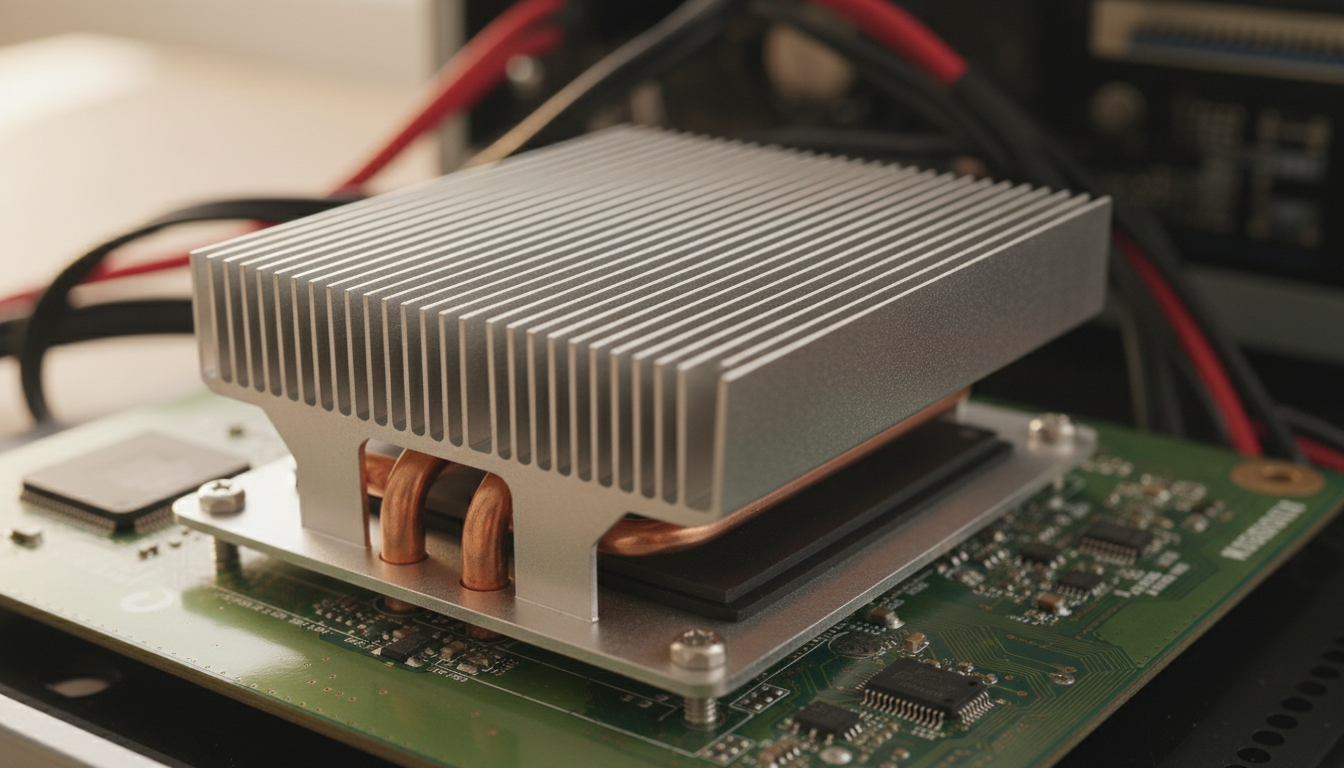
Passive Cooling doesn't need external power. Heat sinks are the most common example—these finned metal pieces (usually aluminum or copper) increase surface area for better heat dissipation through natural convection. Phase change materials (PCMs) are another passive option. They absorb heat as they melt, storing thermal energy without temperature spikes.
Active Cooling uses power to move heat more aggressively. Fans and blowers create forced air circulation across components. Liquid cooling systems pump coolant through channels or cold plates in direct contact with heat sources. For high-performance applications, these systems often combine water and glycol mixtures that flow to heat exchangers or radiators.
Two-phase cooling represents the next level—systems that use both vapor and liquid states. Heat pipes, for example, contain a working fluid that evaporates at the hot end, travels along the pipe, and condenses at the cool end. This process moves large amounts of heat with minimal temperature difference.
Air Cooling vs Liquid Cooling
Let's compare the two workhorses of battery thermal management. Air cooling wins on simplicity—just fans, vents, and maybe some heat sinks. It's cheaper to build, easier to maintain, and eliminates leak risks. For smaller systems or battery cell applications with moderate power demands, air cooling works fine.
But air has limits. Its low heat capacity means it can't remove heat as efficiently as liquid. Temperature distribution tends to be uneven, creating hot spots. When you're pushing high power densities or operating in hot climates, air cooling struggles to keep up.
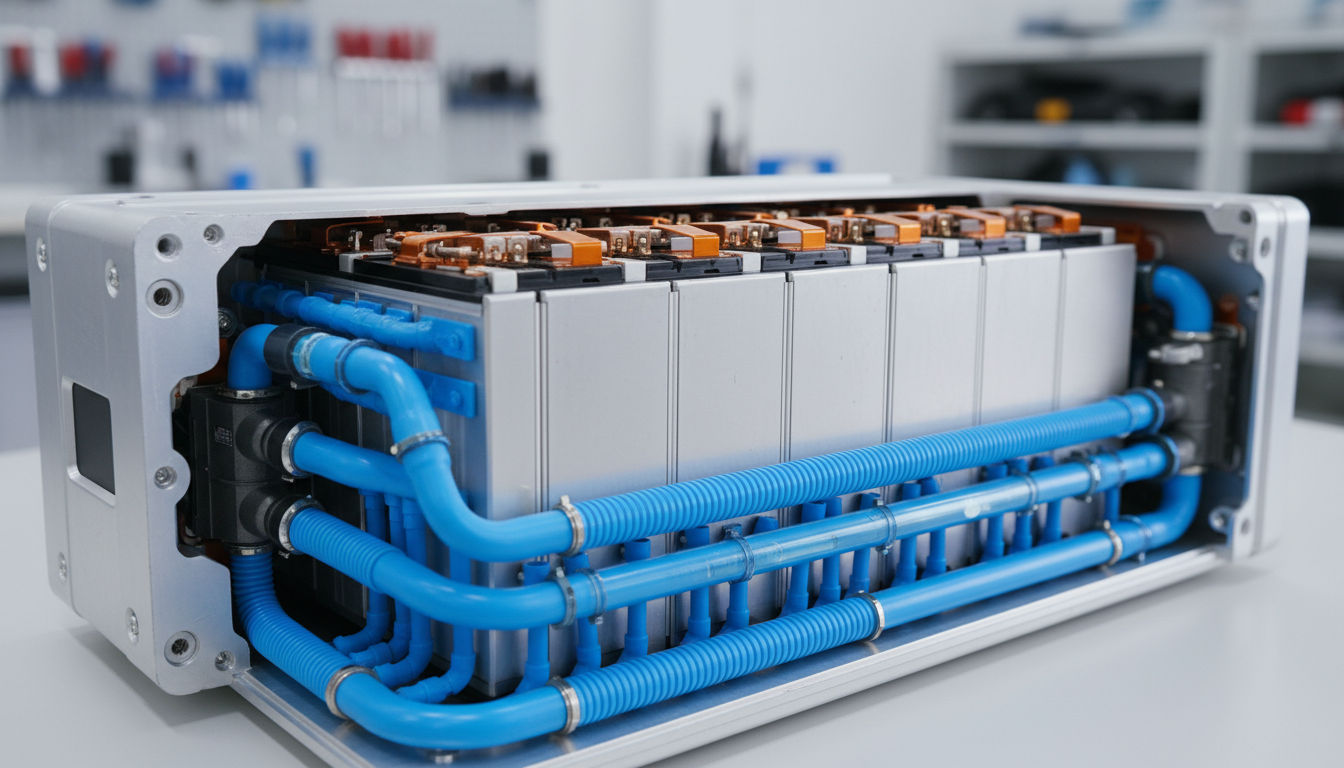
Liquid cooling brings serious muscle. Coolants absorb and transport heat far more effectively than air, ensuring uniform temperature across battery packs. This matters for advanced battery cells where consistency equals longevity. Tesla, BYD, and other major EV manufacturers use liquid cooling for good reason—it handles the heat load from fast charging and high-performance driving.
The trade-off? Complexity and cost. Liquid systems need pumps, valves, heat exchangers, sensors, and careful sealing to prevent leaks. They're heavier too. For high-stakes applications where performance can't be compromised, that extra investment pays off.
Challenges Engineers Face
Designing effective thermal management gets trickier every year. Devices pack more power into smaller spaces, creating concentrated heat sources that are harder to cool. This miniaturization trend means less room for cooling components while heat density keeps climbing.
Space constraints force tough design decisions. Traditional bulky cooling solutions don't fit in modern compact designs. Engineers need innovative approaches—advanced materials with higher thermal conductivity (like graphene or carbon nanotubes), vapor chamber cooling, or microchannel systems that squeeze maximum cooling from minimal space.
Cost always enters the equation. Better thermal management means higher initial investment. Sophisticated materials, complex designs, and regular maintenance add up. There's constant pressure to balance performance requirements against manufacturing feasibility and price targets.
Environmental factors complicate things further. A system that works great in a climate-controlled lab might fail in desert heat or arctic cold. Outdoor equipment, automotive electronics, and industrial applications need thermal solutions that adapt to temperature extremes, humidity, dust, shock, and vibration. Material selection and long-term reliability under varying conditions become critical factors.
Real-World Applications
Electric Vehicles: EVs represent perhaps the most demanding thermal management application. Battery packs store massive energy and generate serious heat during charging and driving. Fast charging at 800V can push temperatures dangerously high without proper cooling. Most modern EVs use liquid cooling to maintain that critical 20-30°C range, extending battery life by over 20% compared to air-cooled systems.
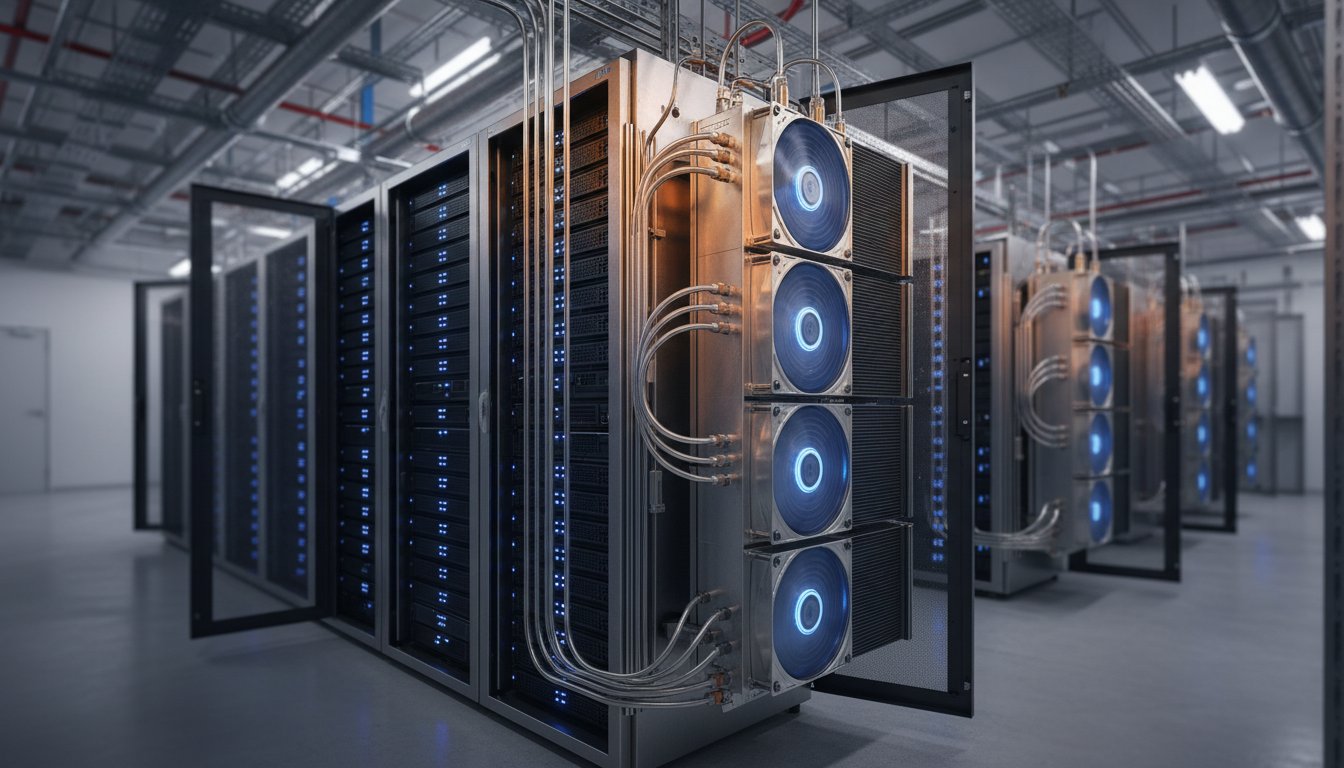
Data Centers: Server racks generate tremendous heat in confined spaces. Data center cooling represents a major operating expense—liquid cooling systems can cost $2,000 per kilowatt of power being cooled. Advanced solutions like drop-down heat sinks or even immersion cooling (submerging equipment in dielectric fluid) keep servers running reliably under intense computational loads.
Consumer Electronics: Your smartphone uses multiple thermal management techniques—heat pipes, vapor chambers, and thermal interface materials that fill microscopic gaps between chips and heat spreaders. These compact solutions keep processors cool enough for sustained performance without making the device uncomfortably hot to hold.
Aerospace: Aircraft and spacecraft face unique challenges with strict weight limits and extreme temperature swings. Lightweight materials, advanced lattice structures, and high-efficiency heat exchangers provide optimal cooling without compromising weight requirements. Some systems use the aircraft's fan or compressor airflow for heat dissipation.
Emerging Technologies and Future Trends
We're seeing exciting developments in thermal management. AI-driven systems now monitor temperature sensors and adjust cooling in real-time based on workload demands. Gaming laptops and high-end desktops already use machine learning algorithms to optimize fan speeds and cooling strategies.
Advanced materials promise better performance. Thermal interface materials with nanoparticles or metal matrices improve heat transfer while adding minimal weight. Some researchers are exploring dielectric immersion cooling where battery cells sit directly in non-conductive fluids—extremely efficient but challenging to implement.
Solid-state thermal devices represent another frontier. Thermal diodes, regulators, and switches can actively control heat flow direction. Phase-change materials and metal-insulator transition systems (like vanadium dioxide) dynamically alter their thermal conductivity at specific temperatures, enabling smart heat redistribution.
For EVs specifically, thermal management has become what some call "the unsung hero" that enables faster charging and extended range. As batteries get denser and charging speeds increase, thermal solutions must keep pace. We're moving toward integrated systems where thermal management is designed into the architecture from day one, not added as an afterthought.
Conclusion
Thermal management systems play a non-negotiable role in modern electronics and battery technology. Whether it's the air cooling in your laptop or the sophisticated liquid cooling in an EV battery pack, these systems protect performance, ensure safety, and extend device lifespan.
The choice between passive and active cooling, or air versus liquid systems, depends on your specific application demands. Higher power density and performance requirements push toward more complex liquid cooling, while cost-sensitive or lower-power applications can succeed with simpler air-based solutions.
As devices continue shrinking while power demands grow, thermal management will only become more critical. Innovation in materials, cooling techniques, and intelligent control systems will shape the next generation of electronics—from the phones in our pockets to the vehicles we drive and the data centers powering our digital world. At Highstar, we understand how proper thermal management directly impacts battery performance and longevity across all these applications.
FAQs
What temperature range do EV batteries need to maintain?
EV batteries operate best between 20-30 degrees Celsius (68-86 degrees Fahrenheit). Outside this range, performance drops significantly. Below 10°C, chemical reactions slow and capacity decreases. Above 40°C, degradation accelerates. Temperatures exceeding 70°C risk thermal runaway—a dangerous self-heating cycle that can cause fires. That's why thermal management systems actively heat batteries in cold weather and cool them during fast charging or high-performance driving.
Is liquid cooling worth the extra cost for battery systems?
For high-power applications like EVs and large-scale energy storage, yes. Liquid cooling provides superior temperature uniformity and can extend battery life by 20% or more compared to air cooling. It handles the heat from fast charging and sustained high discharge rates. For smaller systems with moderate power demands—like home UPS or light-duty applications—air cooling's simplicity and lower cost make it the better choice. The decision depends on your performance requirements and operating conditions.
What causes electronic devices to overheat?
Heat generation comes from electrical resistance. As electrons move through materials, friction between the moving electrons and the material's crystalline structure creates heat. Higher current flow means more heat. Power-dense components like processors, GPUs, and charging circuits generate the most heat. Without proper dissipation through heat sinks, thermal interface materials, or active cooling, this heat builds up, raising component temperatures beyond safe operating limits.
How do passive cooling systems work without power?
Passive systems rely on natural heat transfer. Heat sinks use high-thermal-conductivity materials (aluminum or copper) with fins that increase surface area. Heat conducts from the component to the sink, then dissipates into surrounding air through natural convection (hot air rises). Phase change materials absorb heat during melting, storing thermal energy at constant temperature. Heat pipes use sealed tubes with working fluid that evaporates at the hot end and condenses at the cool end, moving heat without pumps.
Why is thermal management getting harder for modern electronics?
Miniaturization packs more power into smaller spaces, increasing heat density dramatically. There's less room for cooling components while heat generation grows. Modern processors and battery cells deliver higher performance, which means higher power consumption and more waste heat. Design constraints demand lightweight, compact solutions that don't compromise functionality. Environmental factors—from desert heat to arctic cold—add complexity. Balancing these competing demands requires innovative materials, advanced cooling techniques, and intelligent thermal control systems.
Highstar attaches great importance to your personal privacy. When you visit our website, please agree to the use of all cookies. More information about the processing of personal data can be found at "Privacy Policy"


 Buy
Buy