Premium vs Standard vs Affordable EV Range: Choosing Between 750km, 720km, and 490km Battery Options
Related Topics
Compare 750km premium, 720km standard, and 490km affordable EV battery range tiers. We break down which option fits your driving needs and budget for 2026.
Follow us on
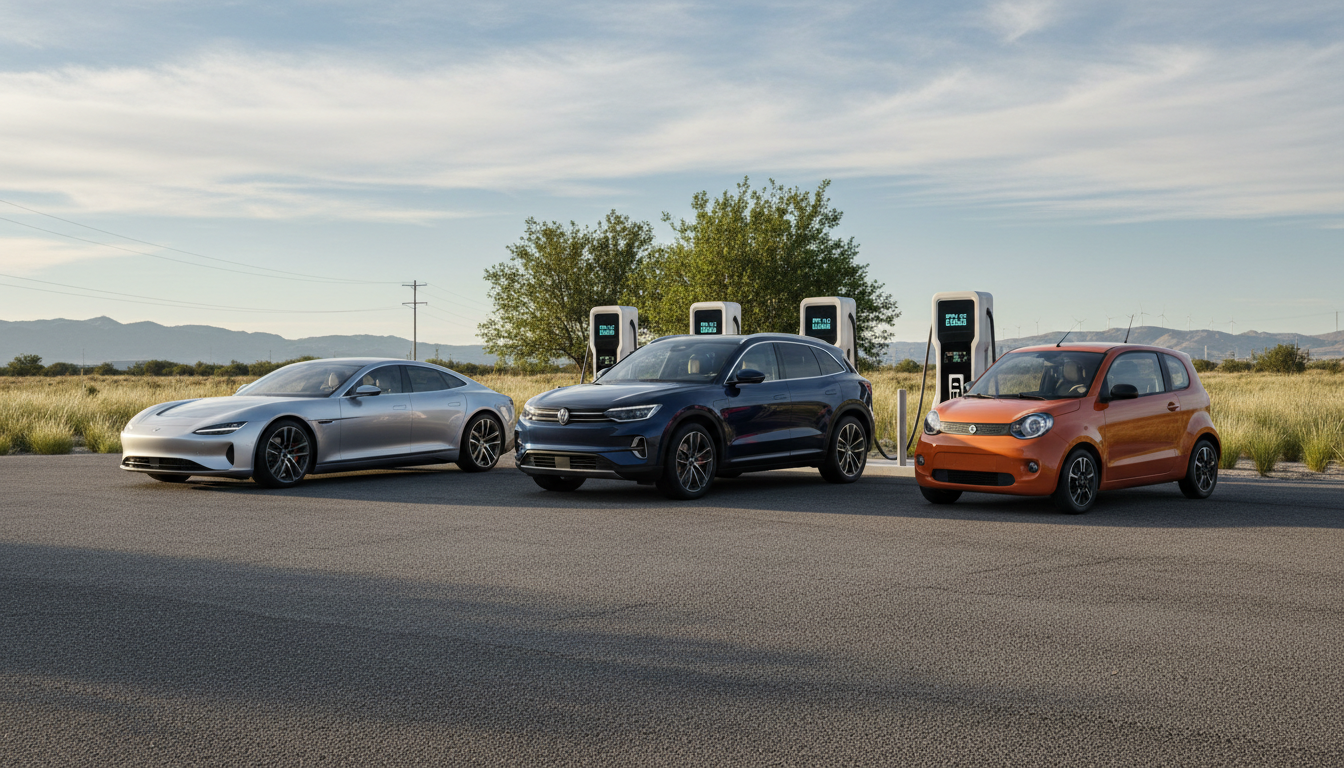
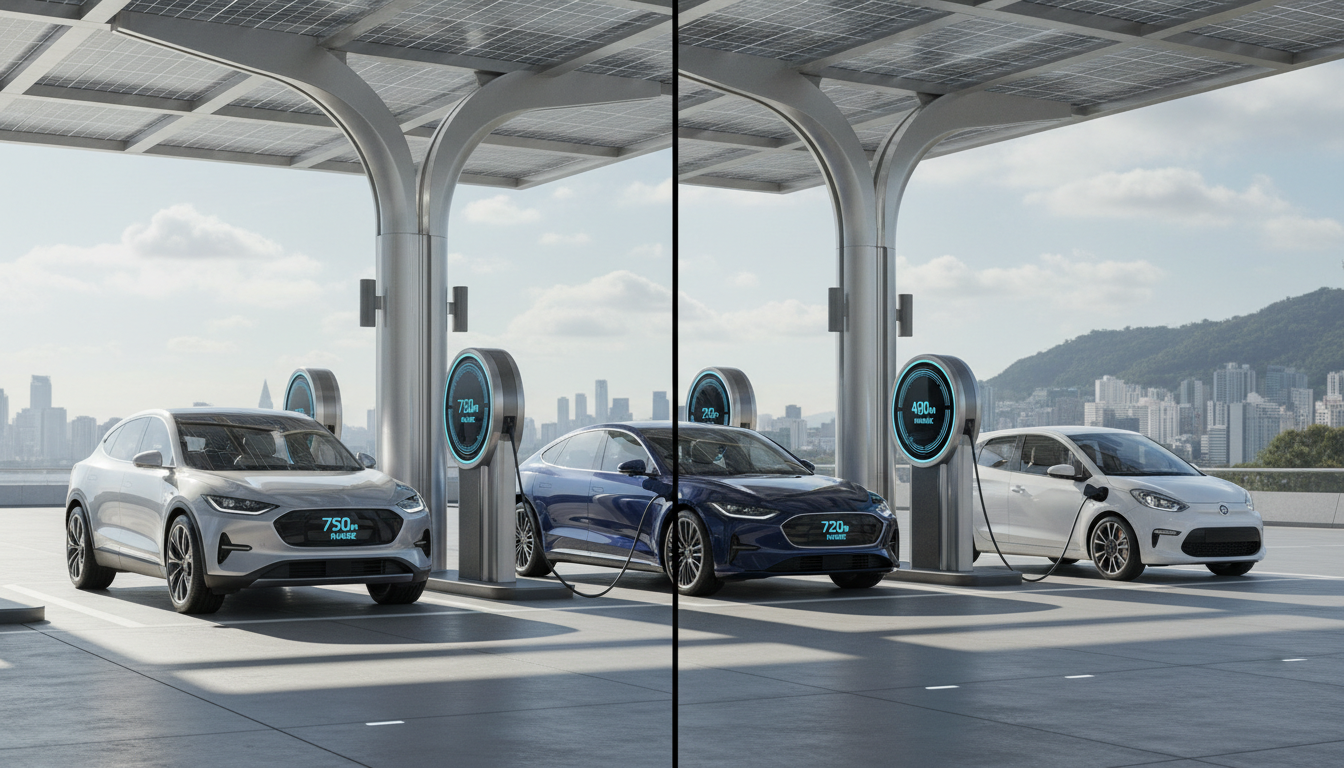
The gap between different EV range categories is narrowing fast. Average range now exceeds 300 miles, up from 250 miles in 2023[9], and today's buyers face a choice between three distinct tiers: premium models pushing 750km (466 miles), standard options hitting 720km (447 miles), and affordable variants delivering 490km (304 miles) per charge.
But here's the thing—more range doesn't always mean better value. Your actual needs, charging habits, and driving patterns matter more than the number on the spec sheet.
How to Understand the Three Range Categories
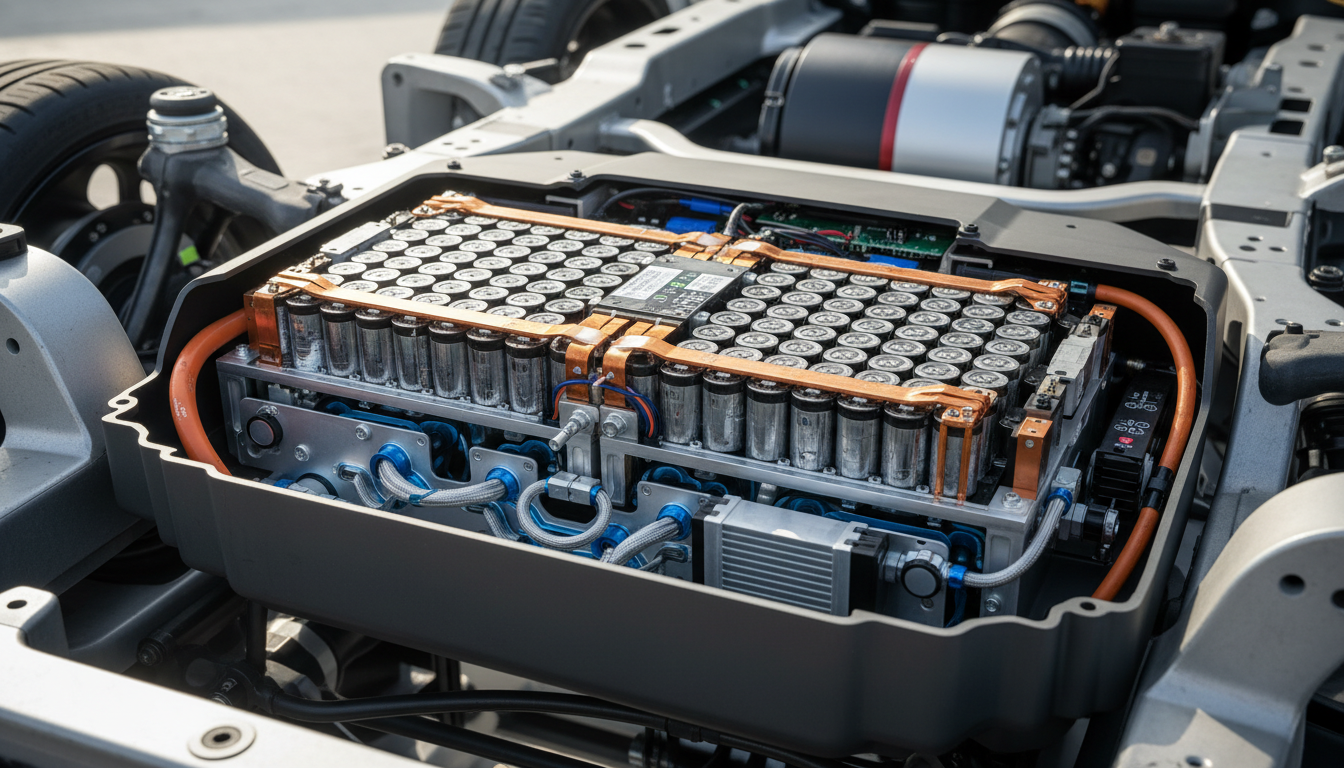
These three range tiers represent different approaches to EV battery design. Premium options typically use advanced ternary lithium batteries with higher energy density, while affordable variants may use smaller battery packs or different chemistry altogether.
Ternary lithium batteries offer an excellent balance of energy density, voltage output, and weight efficiency, making them ideal for electric vehicles[1]. The 750km and 720km options usually feature these batteries because they pack more energy into less space.
The 490km tier isn't necessarily worse—it's targeted. Many buyers treat 300 miles as the new psychological floor for a "long-range" EV, while plenty of affordable models live happily in the 220–270-mile band[5]. That 490km mark sits right at the comfort zone for most drivers.
Premium Range (750km): Who Really Needs It?
Models pushing 750km typically feature battery packs in the 82-118 kWh range. The six-seat Model Y L features an 82.0-kWh ternary battery pack from LG Energy Solution, boasting an energy density of 176 Wh/kg[5], showing how manufacturers achieve these extended ranges.
Real-world use cases:
Weekly road trips or rural driving with sparse charging infrastructure
Commercial applications like ride-sharing where downtime costs money
Cold-weather regions where range can drop 20-30% in winter
But honestly? Most owners routinely use far less than the full advertised range. The sweet spot is an EV that covers your normal week with a comfortable buffer[5]. You're paying upfront for capacity you might touch once a month.
The premium tier also brings higher costs. These large battery packs add significant weight and expense—sometimes $10,000-15,000 over comparable standard-range models.
Standard Range (720km): The Balanced Sweet Spot
The 720km category hits a compelling middle ground. You get extended range without the full premium price tag, and the difference between 720km and 750km rarely matters in daily use.
Ternary lithium batteries are known for their high energy density, making them the most efficient option on the market. This means they can store more energy in a smaller volume. For example, the Tesla Model Y utilizes a ternary battery to achieve a driving range of 440 kilometers[3].
Modern standard-range vehicles with ternary batteries deliver:
High voltage platforms: Ternary Lithium Battery: Discharge voltage platform of 3.7V. Lithium Iron Phosphate Battery (LFP): Discharge voltage platform of 3.2V[7], which translates to better performance per kilogram
Decent cycle life: In terms of cycle life, ternary batteries typically last between 800 and 1,000 cycles[3]
Better cold-weather performance: At room temperature (25℃), the discharge performance of ternary lithium batteries and LiFePO4 batteries is similar. However, when placed in a low-temperature environment, ternary batteries perform better than LiFePO4 batteries[3]
For most US drivers, this tier covers everything. Your weekly mileage gets handled easily, and the occasional long trip remains stress-free with one charging stop.
Affordable Range (490km): Budget-Friendly Practicality
The 490km tier proves that you don't need 700+ kilometers to own a practical EV. Budget-conscious buyers, meet your new best friend: the Chevrolet Equinox EV LT. At just $33,600 before the $7,500 federal tax credit, it delivers a solid 319 miles (513 km) of EPA range[9].
Why 490km works: Profile: 10–30 mile daily round-trip, home or workplace charging, mostly city speeds. Comfortable range: 180–240 miles EPA-rated. Why: Even with weather swings, you're using a small slice of the battery each day and can easily top up[5].
Look, if you're charging at home and your daily commute stays under 60 miles, you'll rarely dip below 50% battery. That 490km gets you through a full work week with range to spare.
And the savings matter. The battery is the core component of an electric vehicle. Its production cost accounts for 40% of the total cost of an electric vehicle. Therefore, an electric vehicle equipped with LFP batteries is much cheaper than an electric vehicle using a ternary lithium battery[4].
You'll find affordable-tier EVs using either smaller ternary packs or LFP chemistry to hit competitive price points. Both work well for city and suburban driving.
How to Make the Right Choice for Your Needs
Instead of asking, "What's the maximum range I can afford?", start with your actual life: commute distance, home charging, climate, and how often you road-trip. Then back into the range that covers your needs with a buffer[5].
Choose Premium (750km) if:
You frequently drive 200+ miles between charges
Charging infrastructure in your area remains limited
You live in extreme cold climates
You use your vehicle for commercial purposes
Choose Standard (720km) if:
You want flexibility without paying premium prices
You take monthly road trips or weekend getaways
You prefer having extra buffer for peace of mind
Your budget allows for mid-range pricing
Choose Affordable (490km) if:
Your daily commute stays under 60 miles
You have reliable home or workplace charging
Budget takes priority over maximum range
You're mostly driving in urban or suburban areas
Our battery cell technology serves manufacturers across all three tiers, with options for different energy densities and performance requirements.
Factors Beyond Range Numbers
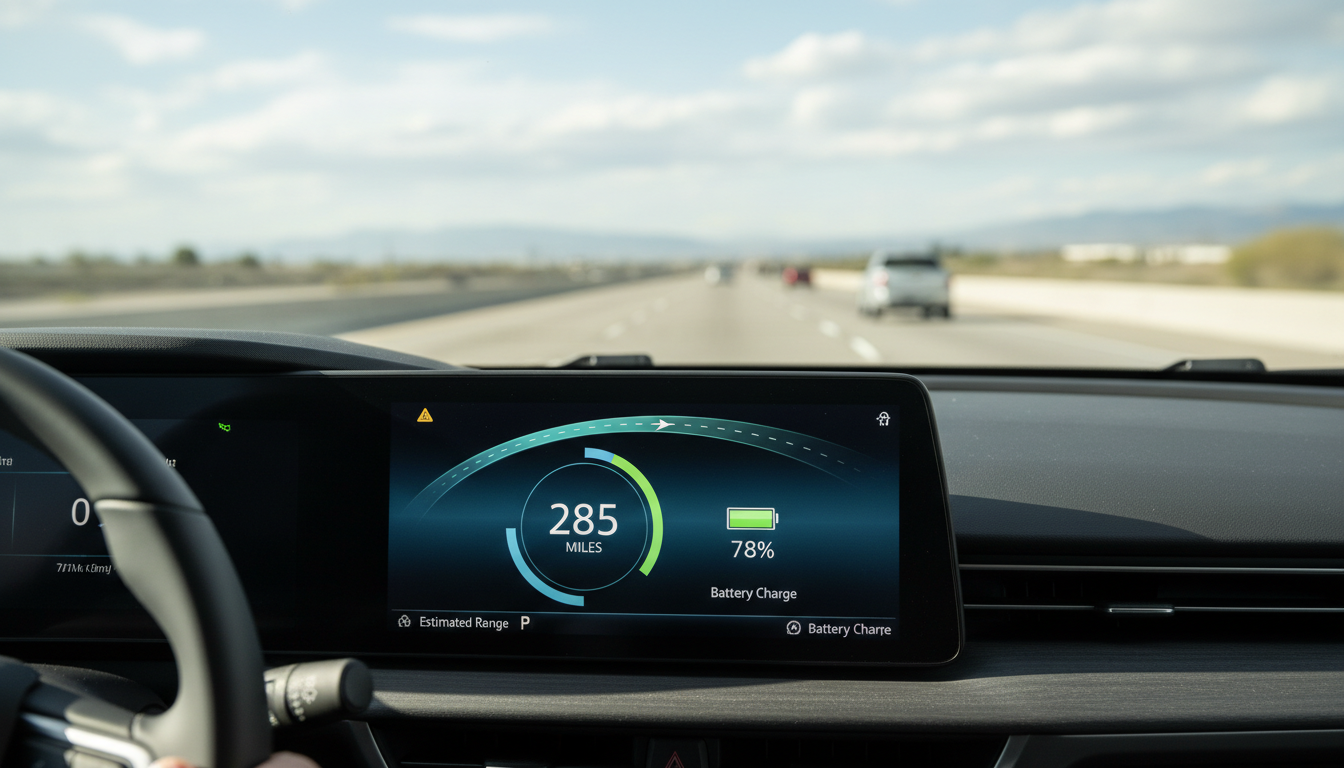
Range specs only tell part of the story. Temperature: Batteries and cabin heating hate cold. Sub-freezing weather can temporarily shave 20–40% off range, especially for short trips[5]. Your real-world range changes based on:
Driving style: Slow your cruising speed by 5–10 mph on the highway and use cruise control where it's safe. The difference on a long drive can feel like upgrading to a bigger battery, for free[5]
Climate control use: Cabin heat (especially resistive heat in older models) is a range killer. Seat and steering-wheel heaters are much more efficient ways to stay warm[5]
Terrain and elevation: Long climbs consume a lot of energy; you regain some on the way down with regenerative braking, but not all of it[5]
The charging network you'll use matters too. If you're near reliable fast-charging stations, a smaller battery with good charging speed might serve you better than a massive pack that takes forever to fill.
Battery Technology Continues Advancing
The conversation around EV range keeps shifting. Chinese scientists have developed a promising new battery technology that could dramatically increase the driving range of electric vehicles and allow them to perform more reliably in cold weather. The most common types of liquid-state battery – lithium iron phosphate and ternary lithium – are nearing their theoretical limits of around 350 watt-hours per kg[2].
New developments promise even better performance. Progress is also happening in aerodynamics and thermal management. Manufacturers are refining body shapes and creating smart software to preheat or cool the battery, thus optimizing performance in any season. Aerodynamic designs are becoming the norm, which should push many models above 600 km of range—even in more affordable segments[8].
Battery warranty matters. Most EVs sold in the U.S. include at least 8 years or 100,000 miles of battery coverage; some brands go beyond that[9]. Check what's covered at each tier—premium models sometimes offer longer warranties.
Charging speed varies. A smaller battery that charges faster might beat a larger, slower-charging pack for road trips. Check both the maximum charging rate and real-world charging curves.
Total cost of ownership. More range usually means a bigger battery, and that is the most expensive part of an EV. You pay for range up front, and you pay to move that extra weight around every day[5].
Resale value. Premium range models typically hold value better, but affordable options with right-sized batteries for most users are gaining popularity in the used market.
Conclusion
The choice between 750km premium, 720km standard, and 490km affordable range isn't about finding the "best" option—it's about matching your actual needs to the right capability level.
Most drivers overestimate how much range they need. Profile: 30–60 mile round-trip on weekdays, busy weekends, mix of highway and surface streets. Comfortable range: 230–300 miles EPA-rated[5]. That puts you squarely in the affordable-to-standard range.
The 750km premium tier serves specific use cases—frequent long-distance travel, commercial applications, or locations with limited charging infrastructure. For everyone else, the 720km standard option offers flexibility without the price premium, while the 490km affordable tier delivers practical daily range at accessible prices.
Visit our battery solutions to learn more about how we're supporting EV manufacturers across all range categories with advanced lithium battery technology.
Highstar attaches great importance to your personal privacy. When you visit our website, please agree to the use of all cookies. More information about the processing of personal data can be found at "Privacy Policy"


 Buy
Buy