Mn-Rich Cathode Material: The Future of High-Energy Lithium-Ion Batteries
Related Topics
Discover how Mn-rich cathode materials are transforming lithium-ion batteries with higher capacity and lower costs—and what challenges researchers are solving today.
Follow us on
The race to build better batteries has never been more intense. Electric vehicles need more range. Energy grids demand reliable storage. And everyone wants costs to drop. That's where manganese-rich cathode materials come in—a technology we're watching closely as it reshapes what's possible in energy storage.
Mn-rich cathode materials represent a promising shift away from cobalt-heavy battery chemistry. With manganese being one of Earth's most abundant metals and significantly cheaper than cobalt or nickel, these materials offer a path to more sustainable, affordable batteries. We're talking about cathode materials that can deliver specific capacities exceeding 250 mAh/g, compared to the 160-200 mAh/g typical of conventional materials. That's a substantial jump in energy density.
What Makes Mn-Rich Cathode Materials Different
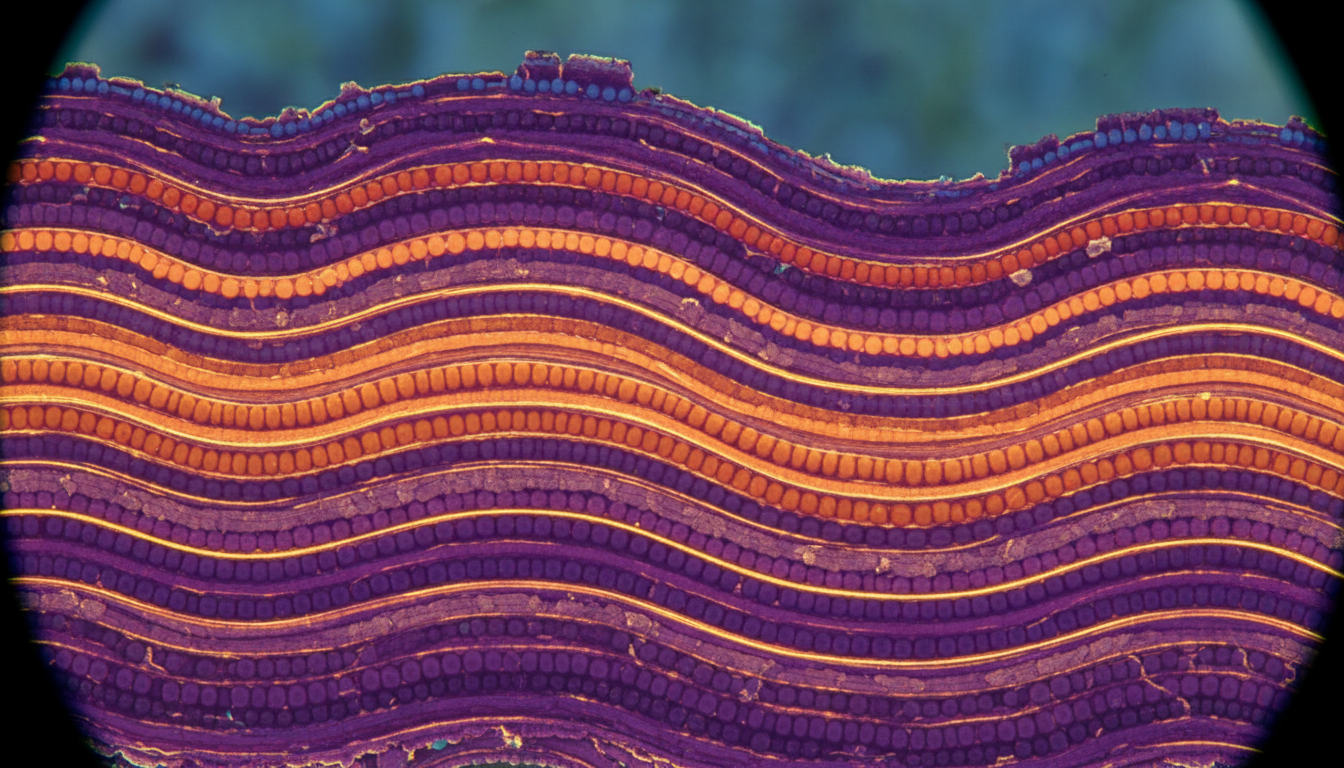
Mn-rich cathode materials typically refer to lithium- and manganese-rich layered oxides, often written as xLi2MnO3-(1-x)LiMO2 where M represents transition metals like nickel, cobalt, or additional manganese. The structure combines a lithium-rich phase with a layered component, creating a unique two-phase system.
What sets these materials apart is their ability to activate both cation and anion redox reactions. Traditional cathode materials rely mainly on transition metal redox. Mn-rich materials also tap into lattice oxygen redox, which is where that extra capacity comes from. The high manganese content—often over 60% of the transition metal content—keeps costs down while maintaining good thermal stability. China alone has approximately 54 million tons of manganese reserves, making supply chain concerns far less pressing than with cobalt.
At Highstar, we focus on advanced battery solutions that balance performance with practical manufacturing considerations. Understanding how different cathode chemistries perform helps us develop better ternary lithium products for real-world applications.
The Performance Advantage
Mn-rich cathodes deliver energy density numbers that conventional materials can't match. Lab results show specific capacities of 250-300 mAh/g with operating voltages around 3.6V. That translates to energy densities potentially reaching 300-400 Wh/kg—sometimes even higher in optimized configurations. One research team achieved 620-700 Wh/kg in a prototype pouch cell design.
The cost benefits are equally compelling. Manganese costs a fraction of what you'd pay for cobalt. The material is less toxic during extraction and processing. And manganese-based cathodes show better thermal stability than high-nickel alternatives, which matters for safety. When batteries get hot during fast charging or heavy discharge, manganese-rich materials tend to behave more predictably.
Rate capability varies depending on the specific composition and modifications, but properly engineered Mn-rich cathodes can handle reasonable charge and discharge rates. They won't match the burst performance of some high-power chemistries, but for applications like electric vehicles and grid storage, they offer a solid middle ground.
Real Challenges That Need Solving
Here's where we need to be straight about the limitations. Mn-rich cathode materials face several technical hurdles that researchers are actively working to address.
Voltage fade is the big one. During repeated charge-discharge cycles, the average voltage gradually decreases even if capacity remains relatively stable. This happens because of structural changes at the atomic level—specifically, the layered structure partially transforms into a spinel phase. Oxygen release from the lattice triggers transition metal migration, which activates lower-voltage redox couples. The result? Your battery's energy output drops over time, even though it still holds charge.
Capacity degradation goes hand-in-hand with voltage fade. Oxygen loss creates vacancies in the crystal structure. These vacancies cause transition metals to migrate from their proper positions. Over many cycles, this leads to irreversible structural damage and reduced capacity. Some materials show capacity retention above 85% after 200 cycles, but getting to the thousands of cycles needed for commercial viability remains challenging.
Initial coulombic efficiency runs lower than we'd like—often 70-80% on the first cycle compared to 90%+ for conventional cathodes. This happens during the initial charge when the Li2MnO3 component activates at high voltage, releasing oxygen and lithium simultaneously. That lost material never comes back, reducing the total lithium available for subsequent cycles.
Modification Strategies That Work
Researchers have developed several approaches to address these challenges, and we're seeing real progress.
Surface coating involves applying thin protective layers—materials like AlF3, metal oxides, or phosphates—onto cathode particles. These coatings act as barriers, preventing direct contact between the cathode and electrolyte. They reduce oxygen release, suppress electrolyte decomposition, and improve cycling stability. Studies show coated materials can achieve capacity retention of 95%+ after 300 cycles.
Element doping substitutes small amounts of the original elements with others that stabilize the structure. Doping with elements like zirconium, aluminum, or magnesium can widen the energy gap between metallic and anionic bands, making oxygen loss less likely. Co-doping strategies that combine cation and anion substitution create synergistic effects that address multiple issues simultaneously.
Structural design takes a different angle. Creating concentration gradients—lithium-poor surfaces with lithium-rich cores—reduces surface oxygen activity while maintaining bulk capacity. Building in defects like oxygen vacancies in controlled ways can actually improve lithium-ion diffusion. Some teams are engineering heterogeneous structures with layered and spinel phases intentionally mixed, creating fast ion-diffusion pathways while maintaining structural stability.
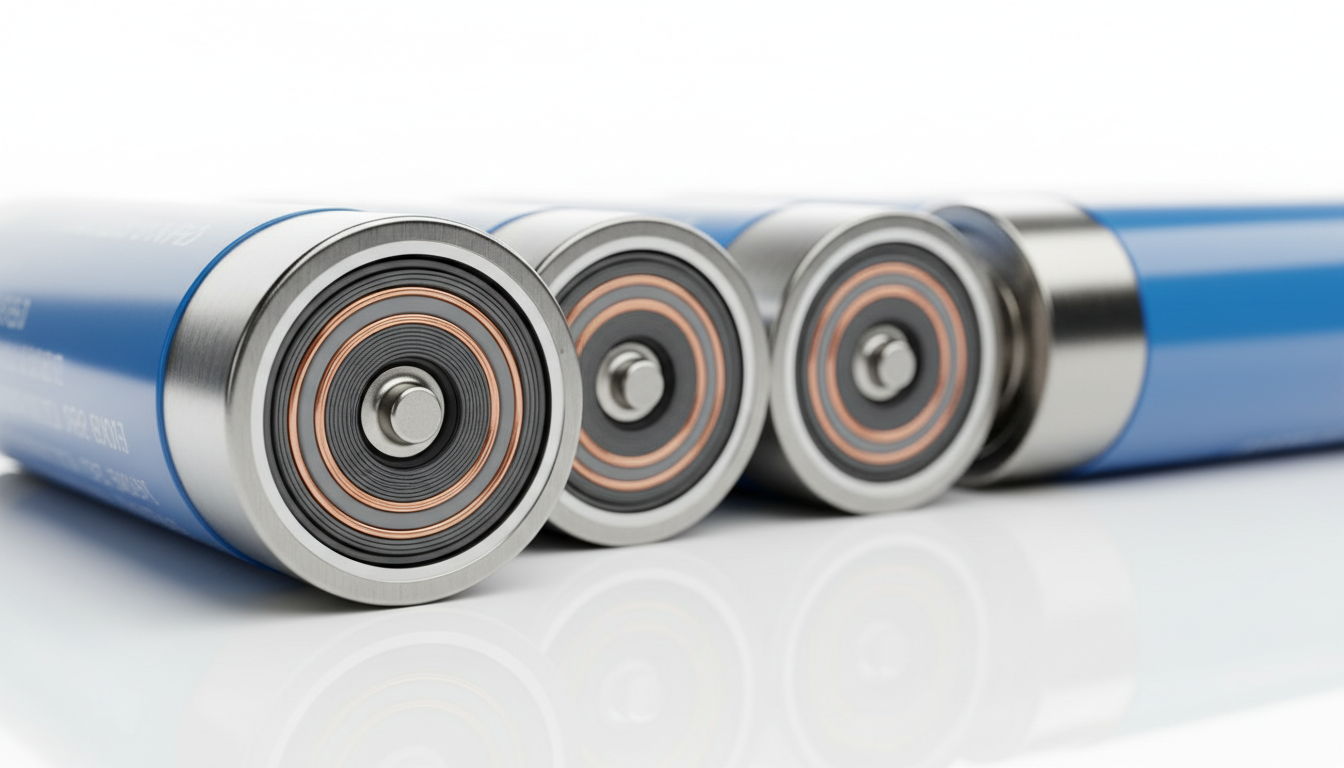
Our work with cylindrical battery cells and prismatic designs benefits from understanding how cathode modifications affect real-world performance across different cell formats.
Applications and Market Reality
Mn-rich cathode materials aren't quite ready for mass production, but they're getting close. The technology makes the most sense for applications where high energy density matters more than ultra-long cycle life or extreme fast-charging capability.
Electric vehicles represent the primary target market. Range anxiety remains a real barrier to EV adoption, and higher-capacity cathodes directly address that. Some manufacturers are already testing Mn-rich compositions for mid-range vehicles where cost matters as much as performance. The technology could enable affordable EVs with 300-400 mile ranges.
Grid energy storage offers another natural fit. These systems need cost-effective, safe storage more than they need maximum cycle life or fast charge rates. Mn-rich cathodes tick those boxes. The thermal stability advantage becomes especially valuable in large battery installations where safety incidents have bigger consequences.
Consumer electronics might see adoption in devices where size and weight matter—think extended-range laptops or professional camera equipment. But the cycle life requirements here are demanding, so we'll probably see this application develop more slowly.
The lithium-ion battery market is projected to exceed $440 billion by 2032, creating substantial incentive for manufacturers to commercialize improved cathode technologies. Several major battery producers have research programs focused on manganese-rich compositions, though most remain at the pilot production stage.
What's Next for Mn-Rich Cathodes
The path forward involves both incremental improvements and potential breakthroughs. Short-term efforts focus on optimizing existing modification strategies—finding the right combination of coatings, dopants, and structural designs that balance performance, manufacturability, and cost.
All-solid-state batteries represent an interesting opportunity. Solid electrolytes could eliminate many of the interfacial reactions that cause problems with conventional liquid electrolytes. Mn-rich cathodes paired with solid-state technology might solve multiple issues simultaneously, though solid-state batteries bring their own manufacturing challenges.
Machine learning and AI are accelerating materials discovery. Instead of testing modifications one by one in the lab, researchers can now simulate thousands of compositions computationally, identifying promising candidates much faster. This approach has already led to improved doping strategies and could unlock entirely new Mn-rich compositions.
Full lifecycle management matters too. As these materials move toward commercialization, we need robust recycling processes. The good news? Manganese-rich cathodes should be easier to recycle than cobalt-rich alternatives, and the recovered manganese has value in other applications beyond batteries.
At Highstar, we're following these developments closely because they directly impact how we design and manufacture battery solutions. Understanding where cathode technology is heading helps us build products that will remain competitive as the industry evolves. You can read more about battery technologies in our guide to cylindrical batteries.
Conclusion
Mn-rich cathode materials offer a compelling combination of high capacity, low cost, and improved sustainability compared to conventional battery chemistries. The technical challenges—primarily voltage fade and capacity degradation—are real but solvable. Research progress over the past few years has been substantial, with multiple modification strategies showing promise in addressing key limitations.
We're likely still 3-5 years away from widespread commercial adoption, but the trajectory looks positive. As electric vehicles continue gaining market share and grid storage deployments accelerate, the pressure to develop better, cheaper batteries will only increase. Mn-rich cathode materials represent one of the more promising paths to meeting that demand without relying on scarce, expensive materials like cobalt.
The technology won't be perfect for every application, but it doesn't need to be. It needs to be good enough for the largest market segments—affordable EVs and utility-scale storage—while being manufacturable at volume. We're betting that within the next decade, manganese-rich cathodes will power a significant portion of new battery installations worldwide.
FAQs
What is an Mn-rich cathode material? Mn-rich cathode materials are lithium-ion battery cathodes with high manganese content, typically exceeding 60% of transition metals. These materials, often structured as xLi2MnO3-(1-x)LiMO2, deliver specific capacities over 250 mAh/g by utilizing both transition metal and oxygen redox reactions. They offer lower costs and better thermal stability compared to cobalt-rich alternatives while providing higher energy density than conventional cathode chemistries.
Why do Mn-rich cathodes experience voltage fade? Voltage fade occurs because the layered crystal structure gradually transforms into a spinel phase during cycling. Oxygen loss from the lattice triggers transition metal migration, which activates lower-voltage redox couples like Mn³⁺/Mn⁴⁺. This structural degradation causes the average discharge voltage to decrease over time, reducing overall energy output even if capacity remains relatively stable. Surface modifications and structural engineering can significantly reduce this effect.
How does manganese compare to cobalt in battery cathodes? Manganese is significantly more abundant and cheaper than cobalt, with global reserves measured in millions of tons. It's less toxic to extract and process, making it more environmentally friendly. While cobalt-rich cathodes offer excellent cycle life and rate capability, manganese-rich alternatives provide comparable energy density at lower cost with better thermal stability. The main trade-off is that Mn-rich materials currently face challenges with voltage fade and initial efficiency.
What applications benefit most from Mn-rich cathode materials? Electric vehicles and grid energy storage systems represent the best fit for current Mn-rich cathode technology. These applications prioritize high energy density and low cost over extreme cycle life or ultra-fast charging. The improved thermal stability makes Mn-rich cathodes particularly attractive for large battery installations where safety is paramount. Consumer electronics may adopt the technology once cycle life improvements reach commercial standards.
When will Mn-rich cathode batteries be commercially available? Several manufacturers are already testing Mn-rich cathode materials at pilot production scale, but widespread commercial deployment is likely 3-5 years away. Current research focuses on solving voltage fade and cycle life challenges through surface coatings, element doping, and structural modifications. Some automotive manufacturers have announced plans to incorporate manganese-rich chemistries in mid-range electric vehicles by the late 2020s, though timelines remain subject to technical validation and manufacturing scale-up.
Highstar attaches great importance to your personal privacy. When you visit our website, please agree to the use of all cookies. More information about the processing of personal data can be found at "Privacy Policy"


 Buy
Buy