LiFSI (F Electrolyte): The Next Generation Lithium Salt for High-Performance Batteries
Related Topics
Discover how LiFSI electrolyte technology improves battery performance with better conductivity, thermal stability, and low-temperature operation compared to traditional LiPF6.
Follow us on
Battery technology keeps pushing forward, and at the heart of these improvements sits a next-generation material that's changing the game. Lithium bis(fluorosulfonyl)imide, or LiFSI for short, represents a major step up from conventional electrolyte salts. We're seeing this fluorine-based compound gain traction in everything from electric vehicles to energy storage systems—and for good reason.
If you're working with lithium-ion batteries or exploring advanced energy solutions, understanding LiFSI and what it brings to the table matters. We'll break down what makes this electrolyte salt different, why it's gaining attention, and where it fits in today's battery landscape.
What Is LiFSI Electrolyte?
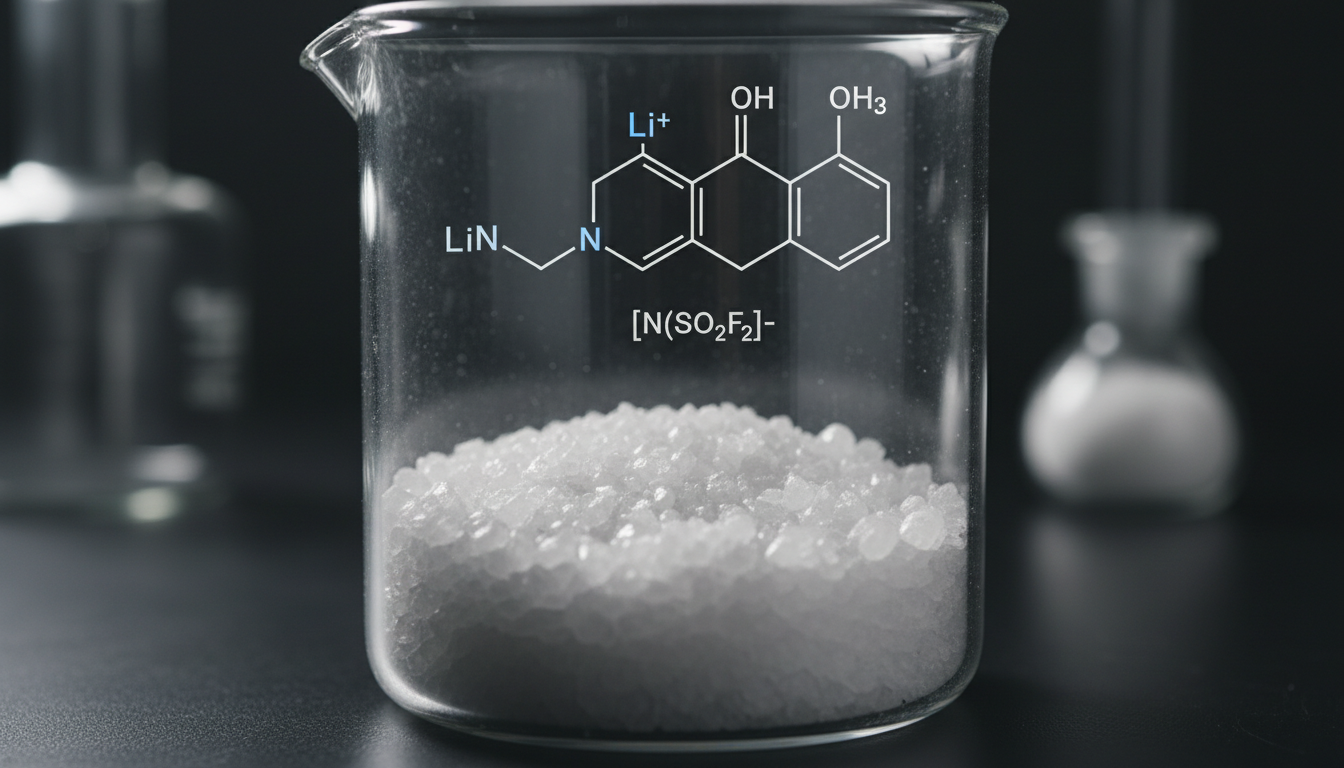
LiFSI is a white powder with the chemical formula F2LiNO4S2 and CAS number 171611-11-3. Think of it as the lithium salt that dissolves in battery electrolytes to carry lithium ions between the anode and cathode. But unlike the industry-standard lithium hexafluorophosphate (LiPF6), LiFSI brings some distinct advantages to the mix.
The compound has a melting point between 124-128°C and remains thermally stable up to 200°C without decomposing. This stability window is significantly wider than what you get with LiPF6, which starts breaking down around 80°C. When dissolved in organic carbonate solvents, LiFSI shows much better resistance to moisture and higher ionic conductivity—two factors that directly impact battery performance and lifespan.
At Highstar, we focus on delivering advanced battery technologies that leverage these cutting-edge materials to meet the demanding requirements of modern applications.
Why LiFSI Outperforms Traditional LiPF6
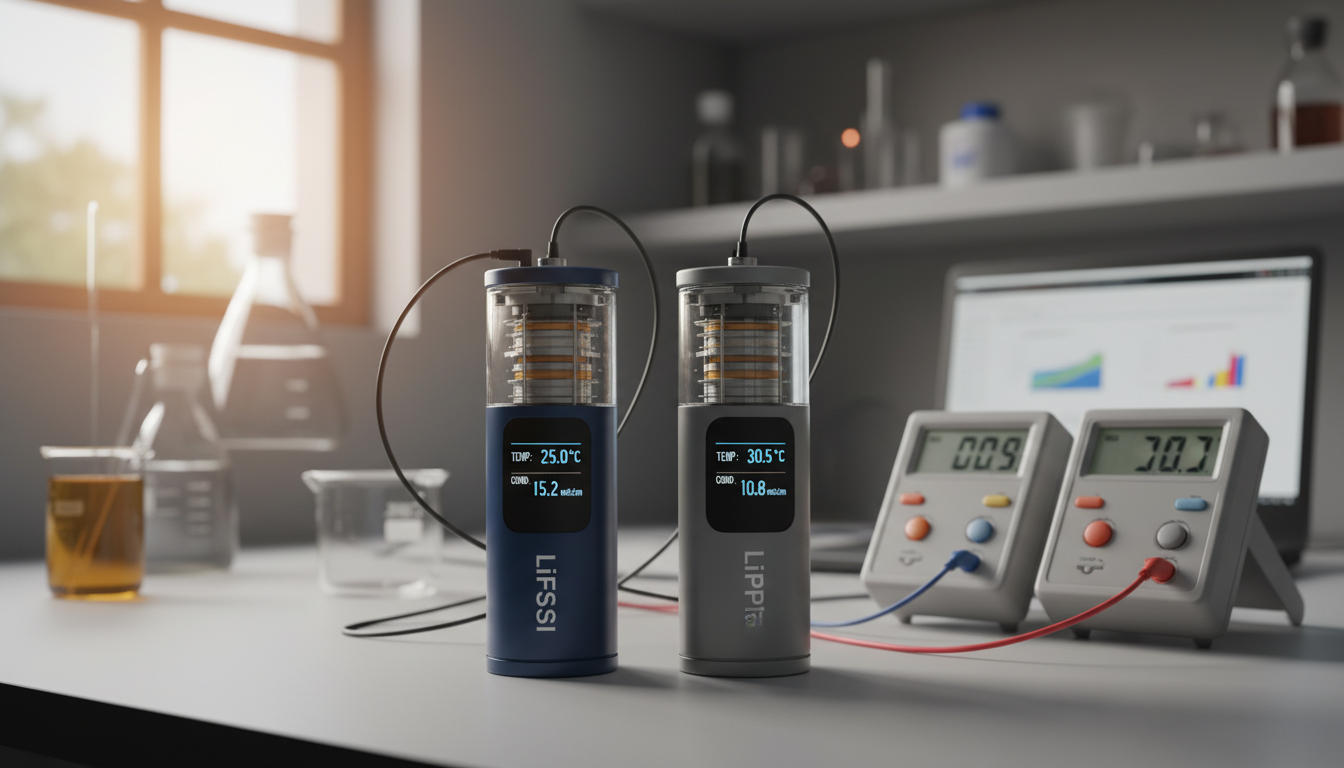
The comparison between LiFSI and LiPF6 tells a clear story. LiFSI delivers higher ionic conductivity across a broader temperature range. While LiPF6 works fine at room temperature, its conductivity drops off when things get cold. LiFSI maintains better performance in low-temperature conditions, making it ideal for applications where batteries operate in varied climates.
Thermal stability is another win for LiFSI. LiPF6 decomposes around 80°C and releases hydrofluoric acid (HF) when exposed to moisture—a problem that corrodes battery components and shortens lifespan. LiFSI's decomposition temperature sits between 220-240°C, and it doesn't generate HF, which means less corrosion risk and better long-term stability.
The lithium-ion transference number—basically how efficiently lithium ions move through the electrolyte—is also higher with LiFSI. This translates to better rate performance and faster charging capabilities, addressing one of the biggest pain points in EV adoption.
How LiFSI Improves Battery Performance
Battery manufacturers aren't just interested in LiFSI because it looks good on paper. Real-world testing shows tangible improvements. When used in ternary lithium batteries, LiFSI helps form a more stable solid electrolyte interphase (SEI) layer on the anode. This SEI layer is like a protective film that prevents unwanted side reactions while allowing lithium ions to pass through.
Research shows that batteries using LiFSI-based electrolytes maintain better capacity retention after hundreds of cycles, especially at elevated temperatures. In tests at 60°C, LiFSI electrolytes enabled far superior cycle life and storage performance compared to LiPF6. The thin, inorganic-rich SEI layer formed with LiFSI provides better thermal stability and reduces electrolyte decomposition over time.
Fast charging—a critical feature for electric vehicles—also benefits from LiFSI. The higher conductivity and improved ion transport mean batteries can accept charge more quickly without the lithium plating issues that plague conventional electrolytes. The Department of Energy's goal of achieving 80% charge in 10 minutes or less becomes more attainable with electrolytes designed around LiFSI.
We've integrated these performance benefits into our advanced battery cells to deliver superior energy density and cycle life.
The Aluminum Corrosion Challenge and Solutions
Here's the catch: LiFSI isn't perfect. One significant issue is aluminum current collector corrosion. At cell voltages above 3.9-4.2V—common in high-energy cathode applications—aluminum starts to corrode in pure LiFSI electrolytes. This was a major roadblock to widespread adoption.
But solutions exist. Researchers have found that adding small amounts of other lithium salts like lithium difluoro(oxalato)borate (LiDFOB) or keeping a partial blend with LiPF6 can passivate the aluminum surface and prevent corrosion. These additives enable LiFSI-based electrolytes to work safely at voltages up to 4.5V without damaging the current collector.
Another approach involves optimizing the electrolyte formulation with specific solvents and additives that promote protective film formation on aluminum. These mitigation strategies have proven successful in full-cell testing with high-voltage cathodes, opening the door for LiFSI use in next-generation battery designs.
For applications requiring both high voltage and high capacity, like our manganese-rich cathode systems, managing aluminum compatibility remains a priority.
Current Applications and Market Growth
Right now, LiFSI is mainly used as an electrolyte additive mixed with LiPF6—typically 1-10% by weight of the total electrolyte. Even at these small concentrations, it improves low-temperature performance, cycle life, and storage stability. Major battery manufacturers including LG Chem have incorporated LiFSI additives into their electrolyte formulations.
The market for LiFSI is growing fast. Global demand reached about 55,000 tons in 2023, and projections suggest it'll hit 186,000 tons by 2025. The usage ratio is climbing too—from about 1% in 2022 to an expected 9% or more by 2025. The overall LiFSI market is projected to grow from $881 million in 2025 to over $2 billion by 2032, representing a 13% compound annual growth rate.
This growth is driven by the electric vehicle boom and the increasing demand for energy storage systems that can handle extreme conditions. As production scales up and manufacturing costs come down, we're likely to see LiFSI transition from an additive to a main electrolyte salt in more applications.
Concentrated and Specialized Electrolyte Formulations
One exciting development is the use of highly concentrated LiFSI electrolytes. At concentrations around 4M or higher, these superconcentrated formulations create unique coordination structures that suppress electrolyte flammability, improve high-voltage stability, and prevent dendrite growth on lithium metal anodes.
In dendrite testing at 0.5 mA/cm², standard 1M LiFSI in dimethoxyethane (DME) showed dendrite formation after a few days. But 4M LiFSI in DME suppressed dendrites thanks to a more stable, compact lithium-rich SEI on the lithium metal surface. This makes concentrated LiFSI electrolytes particularly promising for next-generation lithium metal batteries that promise even higher energy densities.
Localized high-concentration electrolytes (LHCEs) take this concept further by using diluents to lower viscosity while maintaining the benefits of high salt concentration in the lithium-ion solvation shell. These formulations are being explored for extreme conditions—some can operate at temperatures up to 180°C, far exceeding conventional electrolyte limits.
Production Challenges and Cost Considerations
The main barrier to wider LiFSI adoption has been cost and production complexity. Making high-purity LiFSI requires specialized processes that were initially difficult to scale and expensive compared to well-established LiPF6 production. Impurities like chloride ions can severely impact battery performance and safety, so maintaining ultra-high purity is non-negotiable.
But that's changing. Chinese manufacturers have invested heavily in R&D and successfully achieved breakthroughs in industrialization technology. As production volumes increase, economies of scale kick in and prices drop. Industry analysts expect the price gap between LiFSI and LiPF6 to narrow considerably over the next few years.
The environmental profile also favors LiFSI. Its better thermal and chemical stability means fewer safety incidents and less material waste over the battery lifecycle. As sustainability becomes a bigger factor in material selection, these advantages add weight to the business case for switching to LiFSI-based electrolytes.
Future Outlook for LiFSI Technology
Looking ahead, LiFSI is positioned to become a mainstream electrolyte component, possibly replacing LiPF6 as the primary lithium salt in many applications. The combination of better performance, improved safety, and increasing cost competitiveness creates a compelling value proposition.
High-performance applications will likely adopt LiFSI first—think premium electric vehicles, fast-charging stations, and grid-scale energy storage where performance justifies a price premium. As manufacturing matures and costs continue dropping, LiFSI will trickle down to more price-sensitive applications.
Research continues on optimizing LiFSI formulations for specific use cases: lithium-sulfur batteries, solid-state batteries, and ultra-fast charging systems. Each application presents unique challenges, but LiFSI's fundamental properties—high conductivity, thermal stability, moisture resistance—make it a versatile building block for next-generation battery chemistries.
The transition won't happen overnight. LiPF6 has decades of manufacturing infrastructure and supply chain relationships behind it. But the technical advantages of LiFSI are clear, and market forces are aligning to support wider adoption. For battery developers and manufacturers, getting familiar with LiFSI chemistry and formulation strategies now sets the stage for competitive advantages down the road.
Conclusion
LiFSI represents more than just an incremental improvement in battery electrolyte technology—it's a fundamental upgrade that addresses several critical limitations of conventional lithium salts. With better conductivity, superior thermal stability, excellent low-temperature performance, and resistance to moisture, LiFSI enables batteries that charge faster, last longer, and operate safely across wider temperature ranges.
The challenges around aluminum corrosion and production costs are being systematically addressed through formulation optimization and manufacturing scale-up. As the market continues to grow and more applications adopt LiFSI-based electrolytes, we're moving toward a new standard in lithium-ion battery performance. Whether you're designing next-generation EVs, energy storage systems, or consumer electronics, understanding and leveraging LiFSI technology will be key to staying competitive in the evolving battery landscape.
Frequently Asked Questions
What does LiFSI stand for and how is it used in batteries?
LiFSI stands for lithium bis(fluorosulfonyl)imide, a fluorine-containing lithium salt used in battery electrolytes. It works by dissolving in organic solvents to facilitate lithium-ion transport between electrodes. Currently, it's mainly used as an additive mixed with LiPF6 to improve battery performance, though research supports its use as a primary electrolyte salt for advanced applications.
How does LiFSI compare to LiPF6 in battery performance?
LiFSI outperforms LiPF6 in several key areas: higher ionic conductivity (especially at low temperatures), better thermal stability (decomposes at 220-240°C vs. 80°C for LiPF6), superior moisture resistance, and improved cycle life. It enables faster charging and better capacity retention at elevated temperatures. The main trade-off is potential aluminum corrosion at high voltages, which can be managed with additives.
What are the main challenges preventing widespread LiFSI adoption?
The two biggest challenges are aluminum current collector corrosion at high voltages (above 3.9-4.2V) and higher production costs compared to LiPF6. Corrosion issues are being addressed through electrolyte additives and formulation optimization. Production costs are decreasing as manufacturing scales up and processes improve, making LiFSI increasingly cost-competitive.
Can LiFSI electrolytes work in extreme temperature conditions?
Yes, LiFSI performs exceptionally well across a wide temperature range. It maintains good conductivity in low-temperature environments where LiPF6 struggles, and its thermal stability up to 200°C makes it suitable for high-temperature applications. Some specialized LiFSI formulations can operate reliably from sub-zero temperatures up to 80°C or higher, significantly expanding the operational envelope for battery systems.
Is LiFSI expected to replace LiPF6 completely in the future?
Industry projections suggest LiFSI will increasingly replace LiPF6, though complete replacement will take time. Market data shows LiFSI usage growing from about 1% in 2022 to an expected 9%+ by 2025, with continued growth thereafter. As production costs decrease and performance advantages become more widely recognized, LiFSI is likely to become the primary lithium salt for high-performance and next-generation battery applications, while LiPF6 may remain in cost-sensitive applications.
Highstar attaches great importance to your personal privacy. When you visit our website, please agree to the use of all cookies. More information about the processing of personal data can be found at "Privacy Policy"


 Buy
Buy