LFP Battery: Why Lithium Iron Phosphate Is Taking Over EVs and Energy Storage
Related Topics
Discover why LFP batteries are dominating EVs and solar storage. Learn about safety, longevity, cost benefits, and how they compare to other lithium-ion tech.
Follow us on
Lithium iron phosphate batteries are everywhere these days. From Tesla's entry-level Model 3 to home energy storage systems, LFP technology is rapidly becoming the go-to choice for manufacturers and consumers alike. But what makes these batteries so special, and why are they suddenly taking over the market? We're breaking down everything you need to know about LFP batteries, from their unique chemistry to their real-world advantages and limitations.
Whether you're shopping for an electric vehicle, considering solar battery backup, or just curious about the future of energy storage, understanding LFP technology is becoming essential. Let's dive into what sets these batteries apart and why industry leaders are betting big on this chemistry.
What Is an LFP Battery?
LFP batteries, or lithium iron phosphate batteries, use iron phosphate as the cathode material instead of the nickel-cobalt-aluminum or nickel-manganese-cobalt chemistries found in other lithium-ion batteries. This fundamental difference in chemistry creates a completely different set of performance characteristics that make LFP batteries ideal for specific applications.
The chemical formula for the cathode material is LiFePO4, which is where the "LFP" abbreviation comes from. Unlike traditional lithium-ion batteries that rely on expensive and sometimes scarce materials like cobalt and nickel, LFP batteries use abundant and inexpensive iron and phosphate. This makes them not only cheaper to produce but also more environmentally friendly and ethically sourced.
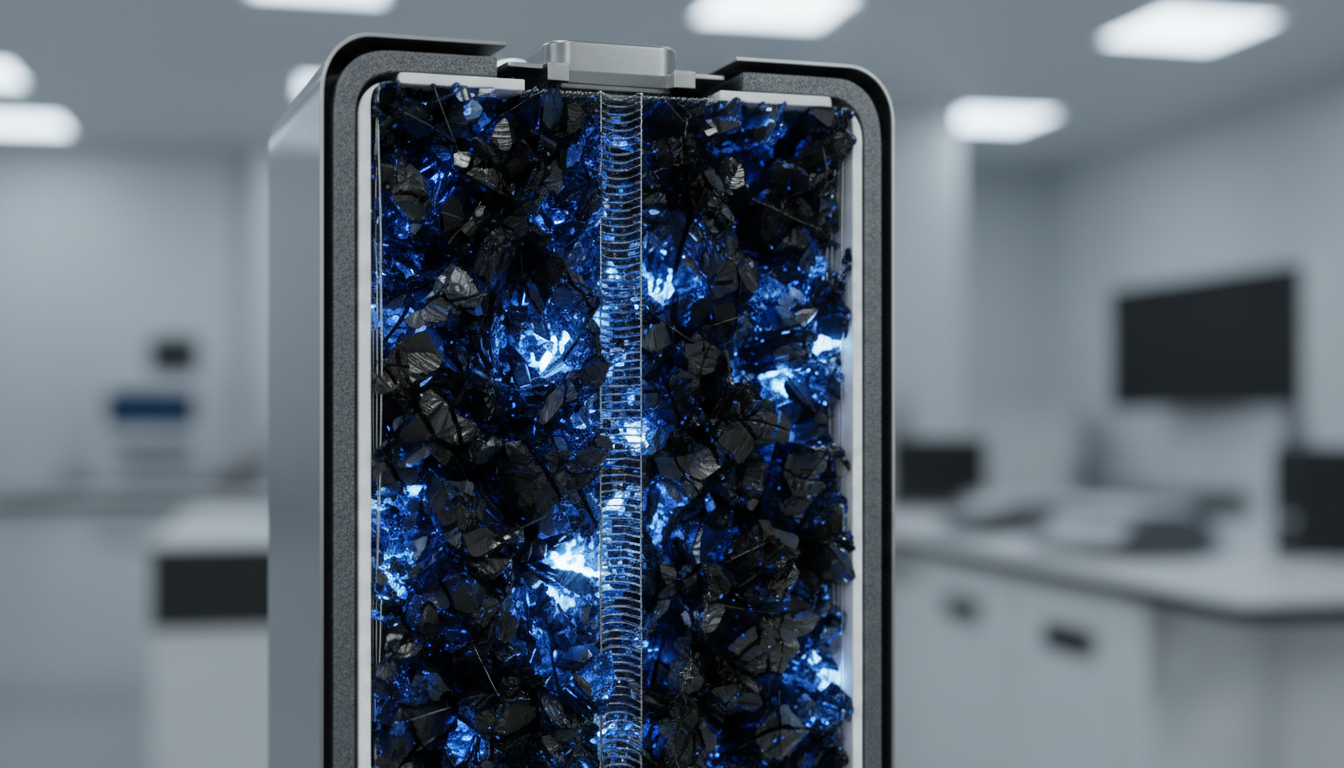
What really sets LFP apart is its crystal structure. The phosphate bond in LFP is exceptionally stable, which translates to superior thermal stability and safety. This structural stability means the battery won't experience thermal runaway as easily as other lithium-ion chemistries, making it one of the safest battery technologies available today. Companies like Highstar are advancing battery materials technology to support the growing demand for safer, more efficient energy storage solutions across various applications.
Key Advantages of LFP Batteries
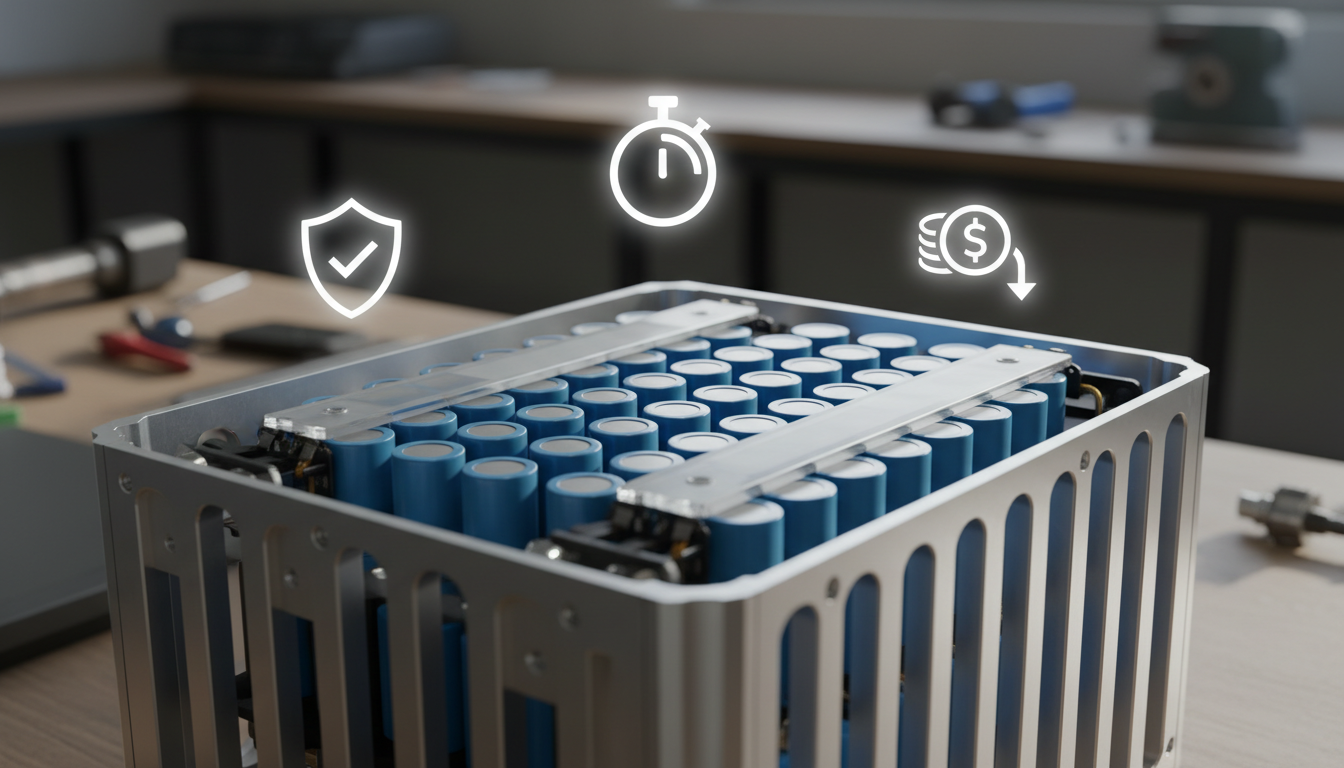
LFP batteries offer several compelling advantages: they last longer with more charge cycles, they're safer due to thermal stability, they cost less because they don't use expensive cobalt or nickel, and they perform better in hot climates. Let's break down each of these benefits and what they mean for everyday users.
Long cycle life is perhaps the most significant advantage. While traditional lithium-ion batteries might last 500-1000 charge cycles before significant degradation, LFP batteries can handle 2000-5000 cycles or more while maintaining 80% capacity. This translates to years of additional service life, making them perfect for applications where longevity matters more than raw energy density.
The safety profile of LFP batteries is unmatched. Because of their stable chemical structure, they're extremely resistant to thermal runaway, which is the chain reaction that causes lithium-ion batteries to catch fire or explode. You can puncture, overcharge, or overheat an LFP battery, and it's far less likely to experience catastrophic failure compared to NMC or NCA batteries. This makes them ideal for home energy storage where safety is paramount.
Cost effectiveness is another game-changer. Without the need for expensive cobalt and nickel, LFP batteries are significantly cheaper to manufacture. This cost advantage is being passed on to consumers, which is why we're seeing more affordable EVs and energy storage systems hitting the market. The cost per kilowatt-hour for LFP batteries has dropped dramatically, making electric vehicles and solar storage accessible to more people.
LFP batteries also handle high temperatures better than other lithium-ion chemistries, making them suitable for hot climates without requiring extensive cooling systems. This reduces complexity and cost in both EVs and stationary storage applications.
LFP vs NMC: Understanding the Trade-offs
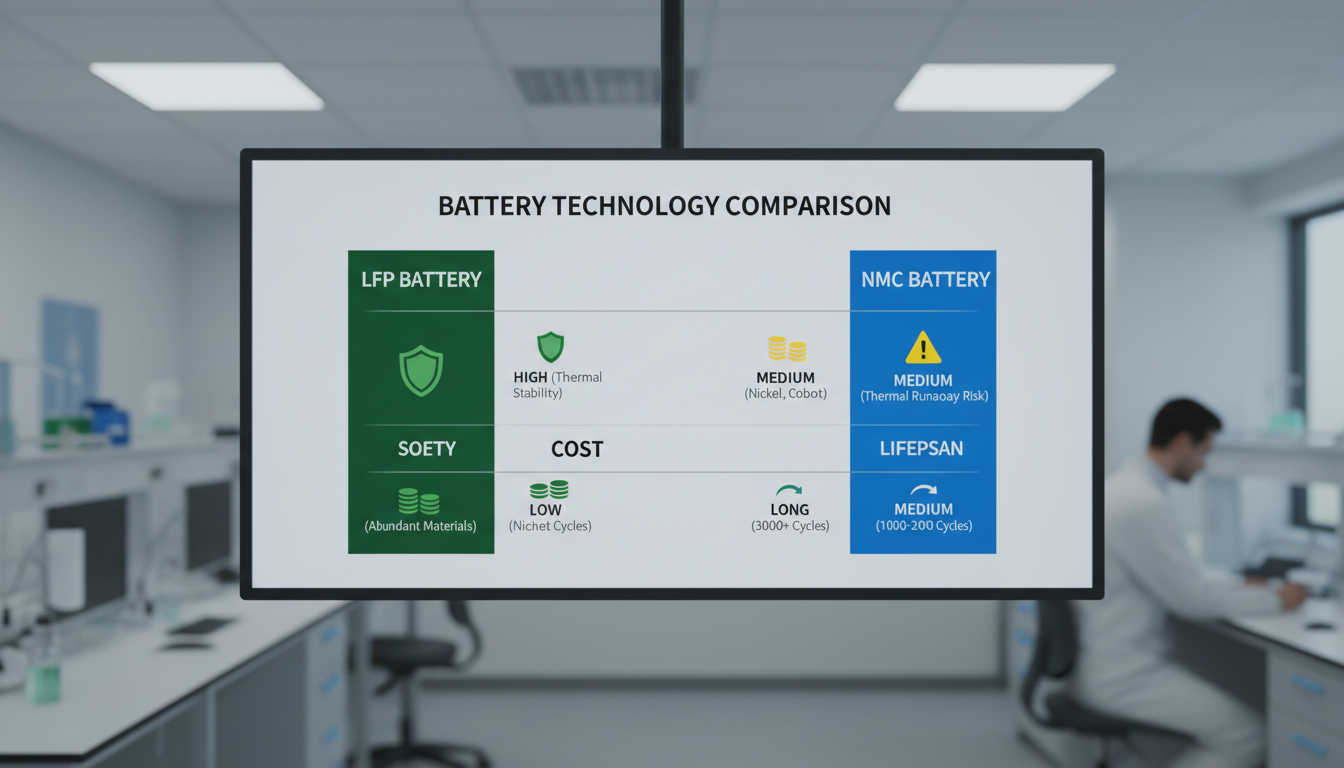
The battery world isn't one-size-fits-all, and the choice between LFP and NMC (nickel-manganese-cobalt) batteries involves real trade-offs. NMC batteries have higher energy density, meaning they can store more energy in the same physical space. This is why premium long-range EVs have traditionally used NMC chemistry – you get more miles per pound of battery.
However, recent data shows that LFP batteries in Teslas are experiencing less degradation than NMC batteries, which is causing many manufacturers to reconsider their chemistry choices. The lower energy density of LFP means vehicles need slightly larger battery packs to achieve the same range, but the trade-off is worth it for many applications.
In cold weather, NMC batteries traditionally perform better than LFP, maintaining more of their capacity and charging speed. LFP batteries can lose significant capacity in freezing temperatures, though modern battery management systems and preheating features are minimizing this disadvantage. For drivers in northern climates, this is still a consideration worth thinking about.
Cost versus performance is the ultimate trade-off. NMC batteries give you more range and better cold-weather performance, but they cost more upfront and may not last as long. LFP batteries are cheaper, safer, and longer-lasting, but you sacrifice some energy density and cold-weather capability. The market is speaking loudly: for many applications, the LFP advantages outweigh the disadvantages.
Things You Should Know About LFP Batteries
There are some quirks and characteristics of LFP batteries that every user should understand. First, LFP batteries can and should be charged to 100% regularly, unlike other lithium-ion batteries where charging to 80% is recommended for longevity. This is a huge practical advantage – you don't have to baby your battery or worry about damaging it by charging fully.
The voltage curve of LFP batteries is different from other lithium-ion chemistries. They maintain a very flat voltage throughout their discharge cycle, which means the battery percentage indicator might sit at 50% for a long time before dropping quickly. This can be confusing at first, but it's normal behavior for LFP chemistry. Modern battery management systems account for this with sophisticated algorithms.
LFP batteries also benefit from occasional full charge and discharge cycles to help calibrate the battery management system. This "balancing" process ensures all the cells in the pack are operating optimally. Many EV manufacturers with LFP batteries actually recommend charging to 100% at least once a week, which is the opposite of advice for NMC batteries.
Storage is another area where LFP shines. These batteries can be stored at any state of charge without damage, though 50% is still considered optimal for long-term storage. They also have very low self-discharge rates, meaning they hold their charge for months without use. This makes them perfect for seasonal vehicles, emergency backup power, and other applications where the battery might sit idle for extended periods.
LFP Batteries in Electric Vehicles
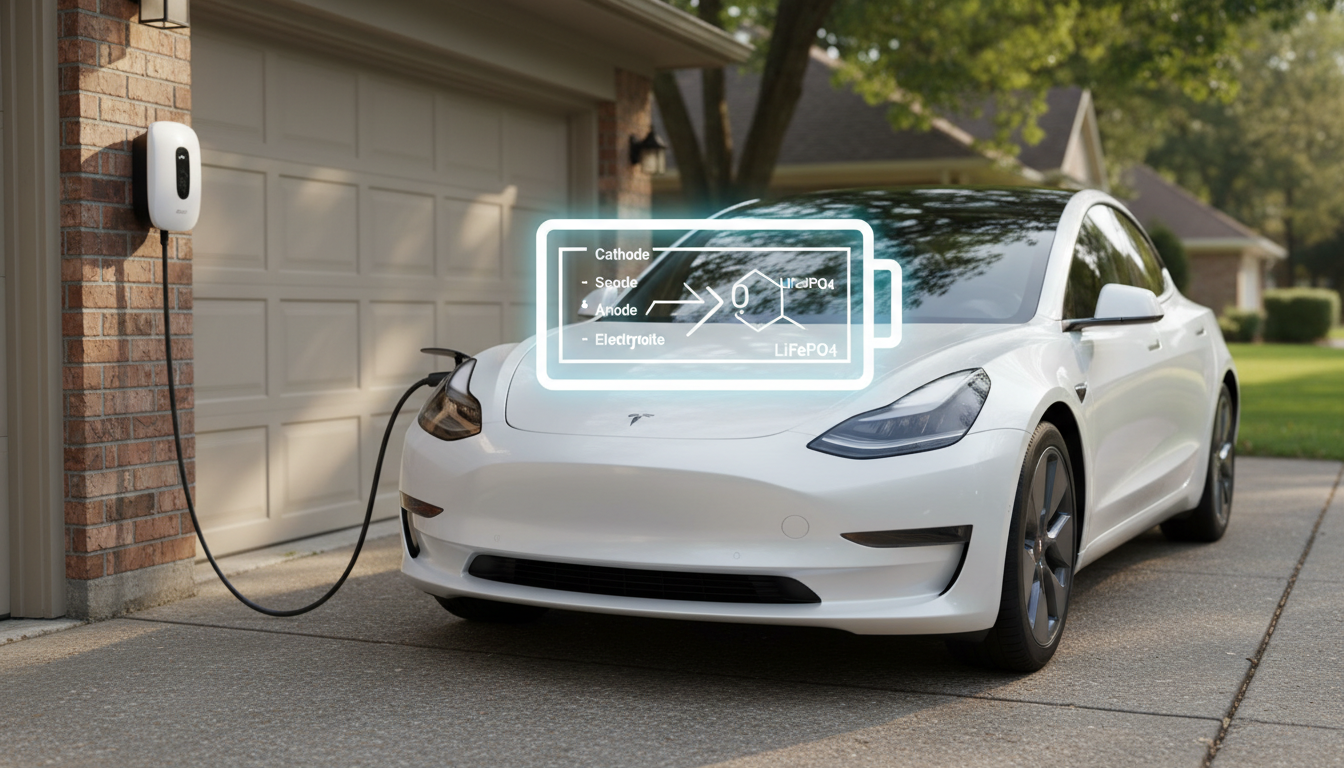
Tesla and other major automakers are increasingly adopting LFP batteries for their entry-level and standard-range vehicles. This shift represents a fundamental change in EV strategy, prioritizing affordability, longevity, and safety over maximum range. The Tesla Model 3 Standard Range and Model Y Standard Range now use LFP batteries exclusively in many markets.
Chinese EV manufacturers like BYD have been using LFP batteries for years and have refined the technology significantly. BYD's Blade Battery, a specific LFP design, has pushed the boundaries of what's possible with this chemistry, achieving better space utilization and even improved energy density compared to traditional LFP pack designs.
The practical implications for EV owners are significant. With an LFP battery, you can charge to 100% every night without worrying about battery degradation. You'll likely see less range loss over the years compared to NMC batteries. The trade-off is slightly less range per charge initially and reduced performance in extreme cold, but for most drivers in moderate climates, these disadvantages are minimal.
Ford, Volkswagen, and other major manufacturers are also jumping on the LFP bandwagon for their more affordable EV models. This trend is accelerating as battery costs continue to drop and as the technology improves. We're likely to see LFP become the dominant chemistry for mainstream EVs within the next few years, with NMC reserved for premium long-range models.
LFP Batteries for Solar and Home Energy Storage
The home energy storage market is where LFP batteries truly shine. Safety is the top priority when you're installing a large battery in your home, and LFP's thermal stability makes it the obvious choice. Companies like EcoFlow, Bluetti, and Goal Zero use LFP chemistry almost exclusively in their portable power stations and home backup systems.
The long cycle life of LFP batteries means your home energy storage system can cycle daily for 10-15 years or more before needing replacement. This makes the economics of solar-plus-storage much more attractive. When you calculate the cost per cycle, LFP batteries offer exceptional value despite any initial price premium over lead-acid or other alternatives.
The ability to charge LFP batteries to 100% is particularly valuable in solar applications. You want to capture and store as much solar energy as possible during peak sun hours, and LFP batteries let you do that without compromising battery health. You can also discharge them deeply without damage, maximizing your usable storage capacity.
Integration with modern battery technologies continues to evolve. Researchers are exploring combinations like silicon-graphite anode materials that could potentially enhance LFP battery performance even further, offering improved energy density while maintaining the safety and longevity advantages.
Common Misconceptions About LFP Batteries
One widespread myth is that LFP batteries are "old technology" that's inferior to newer chemistries. In reality, LFP is continuously being improved and refined. Modern LFP batteries bear little resemblance to the first-generation versions from a decade ago. The chemistry may be established, but the implementation keeps getting better.
Another misconception is that LFP batteries are only suitable for cheap, low-performance applications. This ignores the fact that safety, longevity, and lifecycle cost are just as important as raw energy density for many users. A battery that lasts twice as long and never catches fire isn't a compromise – it's often the superior choice.
Some people worry that LFP batteries are completely unusable in cold weather. While they do lose capacity and charging speed in freezing temperatures, modern battery thermal management systems largely mitigate these issues. Preheating the battery before charging solves most cold-weather problems, and many EVs with LFP batteries include this feature automatically.
The idea that you need to "baby" LFP batteries like other lithium-ion chemistries is also wrong. LFP batteries are actually more forgiving and less demanding than NMC or NCA batteries. You can charge them to 100%, discharge them deeply, and generally use them without constant worry about degradation. This makes them more user-friendly, not less.
FAQs
How long do LFP batteries really last compared to regular lithium-ion?
LFP batteries typically last 2-3 times longer than traditional NMC lithium-ion batteries, often achieving 3,000-5,000 full charge cycles while maintaining 80% capacity. This translates to 10-15 years of daily use in most applications, compared to 5-8 years for NMC batteries. The longer lifespan significantly reduces the total cost of ownership despite similar or slightly higher upfront costs.
Can I charge my LFP battery to 100% every day without damaging it?
Yes, absolutely. Unlike NMC or NCA lithium-ion batteries, LFP batteries are designed to be charged to 100% regularly without accelerated degradation. In fact, many EV manufacturers with LFP batteries recommend charging to 100% frequently to help balance the cells and calibrate the battery management system. This is one of the key practical advantages of LFP chemistry.
Are LFP batteries actually safer than other lithium-ion batteries?
Yes, LFP batteries are significantly safer due to their stable chemical structure. The phosphate bonds in LFP are extremely resistant to thermal runaway, meaning they're far less likely to catch fire or explode even when damaged, overcharged, or overheated. This makes them the safest lithium-ion chemistry available and ideal for applications where safety is critical, like home energy storage.
Why do LFP batteries perform poorly in cold weather?
LFP batteries experience reduced capacity and slower charging speeds in freezing temperatures because the lithium-ion movement within the battery slows down at low temperatures. However, modern battery management systems with preheating features largely solve this problem by warming the battery before charging. Once preheated, LFP batteries perform nearly as well as other lithium-ion chemistries in cold conditions.
Will LFP batteries replace all other lithium-ion types in the future?
LFP batteries will likely dominate cost-sensitive applications like entry-level EVs, home energy storage, and utility-scale storage, but they won't completely replace high-energy-density chemistries like NMC. Premium long-range EVs and applications where weight and space are critical will probably continue using higher-density chemistries. The future will likely see both technologies coexisting, each serving different market segments based on specific performance and cost requirements.
Highstar attaches great importance to your personal privacy. When you visit our website, please agree to the use of all cookies. More information about the processing of personal data can be found at "Privacy Policy"


 Buy
Buy