How Age Groups and Technology Generations Shape Electric Vehicle Adoption
Related Topics
Discover how different age groups approach EV adoption and how battery technology has evolved across vehicle generations—from range anxiety to 500+ mile capabilities.
Follow us on
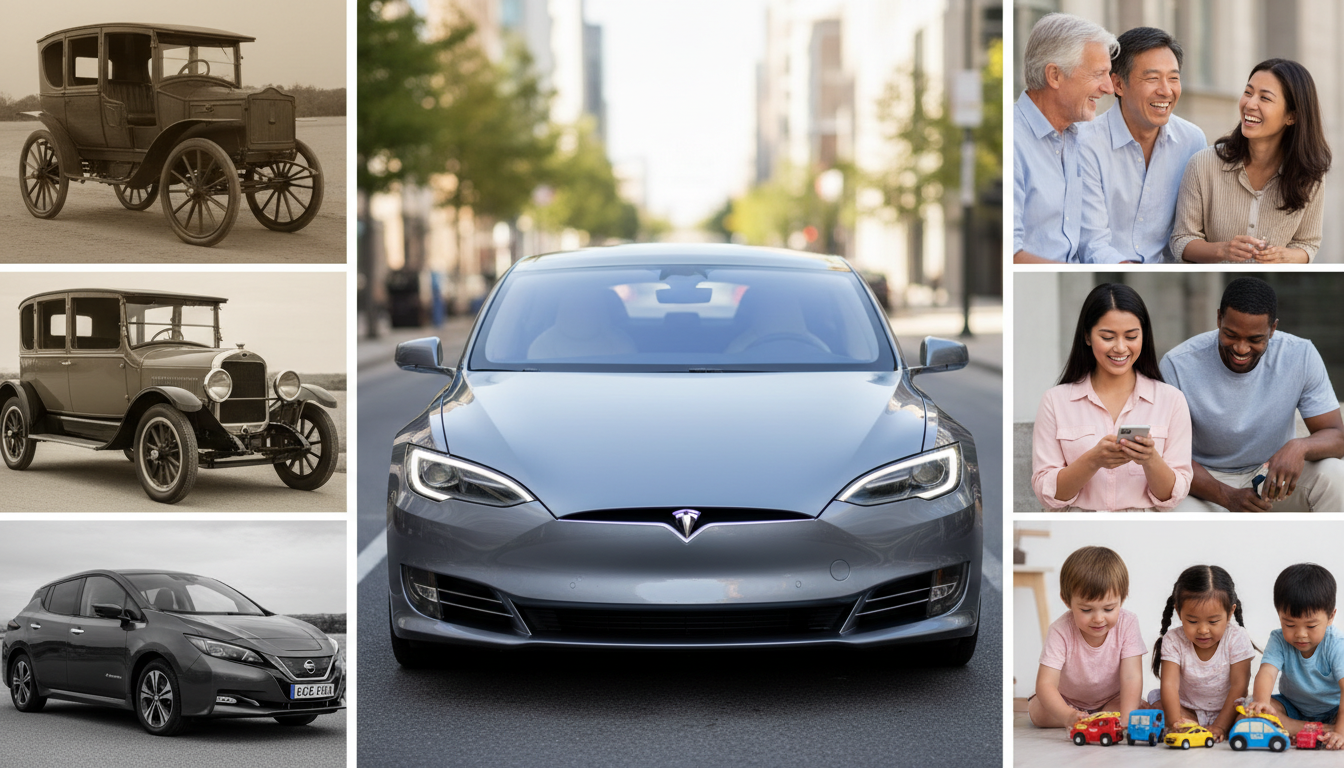
The electric vehicle market tells two fascinating stories about generations. On one hand, we're watching how Baby Boomers, Gen X, Millennials, and Gen Z each bring their own perspectives to EV adoption. On the other, we're seeing how EV technology itself has matured through multiple vehicle generations, transforming from 80-mile range pioneers to today's 500+ mile road warriors.
Both stories matter. And they're shaping the future of transportation in ways we're just beginning to understand.
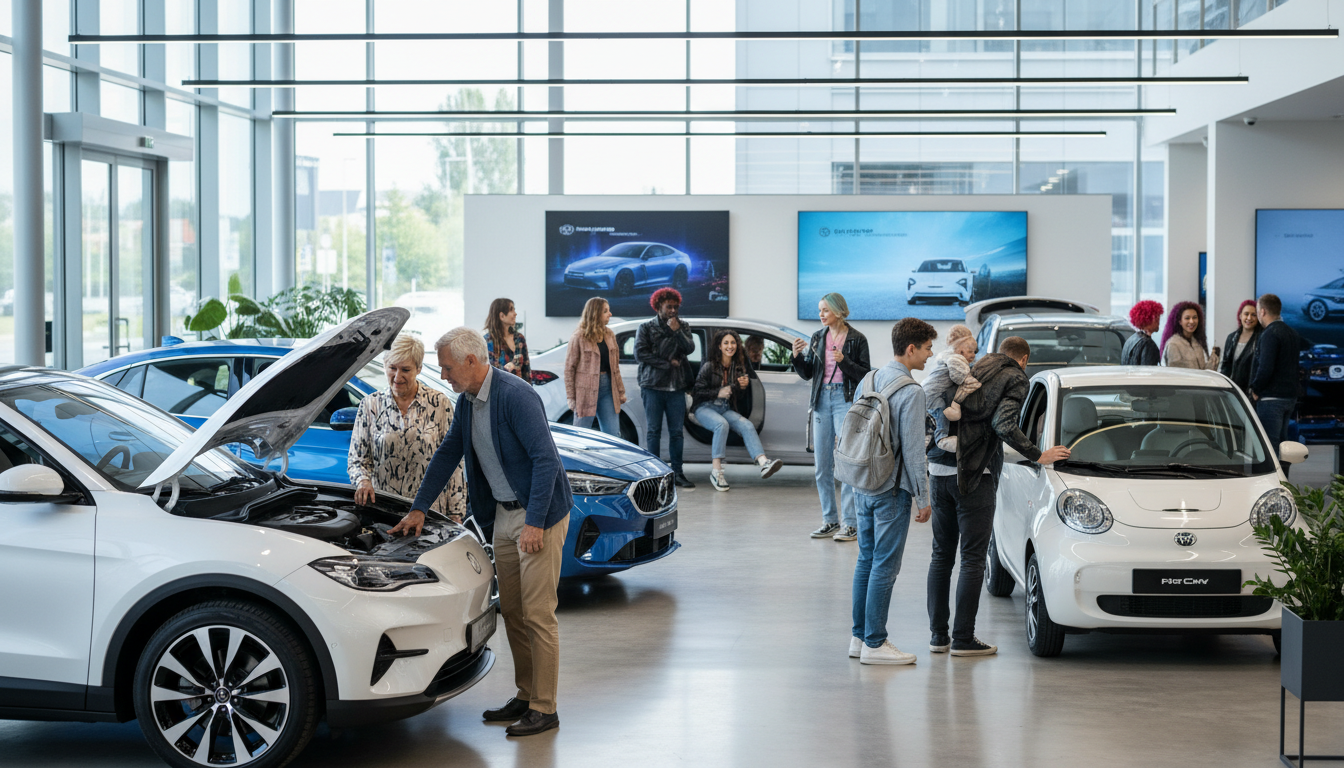
The Generational Divide: Who's Buying EVs and Why
When we look at EV purchase data, Gen X comes out on top. They purchased 9.4% of their new vehicles as EVs in 2023, representing the highest volume of total EV purchases. Millennials aren't far behind at 10.2% of their vehicle purchases going electric, though their overall buying power is slightly lower.
What's interesting? Baby Boomers make up the smallest share of EV buyers at just 5.9%, despite having more disposable income. Gen Z sits at 6.6%, but they're still entering the new vehicle market in smaller numbers.
The gap isn't just about money. It's about mindset, priorities, and comfort with new technology. At Highstar, we see these patterns reflected in customer inquiries and concerns. Different generations ask different questions about ternary lithium batteries and vehicle performance.
What Drives Each Generation's EV Decisions
Baby Boomers: Range and Brand Loyalty
Boomers express the most concern about mileage range—33% cite it as a barrier to EV adoption. They gravitate toward established brands like Toyota, Honda, and Ford when considering EVs. Government incentives matter here, with 40% of Boomers motivated by tax credits and rebates.
But here's the thing: when Boomers do buy green vehicles, they're actually purchasing the greatest mix of all electric options—including hybrids, plug-ins, and fuel cell vehicles. They're not anti-electric. They just want proven reliability.
Gen X: Technology Skepticism
Gen X shows unique hesitation around new technology itself. About 41% of those concerned about "technology being too new" belong to this generation. They're practical buyers who remember the early adoption pain points of other technologies.
Yet Gen X also represents 39.8% of pure EV purchases. Once they're convinced, they commit. They care about air quality (70%) and reduced carbon footprint (71%) more than other generations, suggesting environmental consciousness drives their eventual adoption.
Millennials: Charging Infrastructure Worries
Millennials cite charging infrastructure as their top concern—49% worry about available charging stations on the road. This makes sense for a generation that's often urban, rents apartments without home charging options, and takes road trips.
Cost savings drive Millennial interest. They represent the largest percentage of buyers motivated by reduced gas costs. Environmental sustainability ties with Boomers as a key motivator. But 48% of Millennials say they haven't considered an EV or hybrid yet, suggesting the market still has room to grow here.
Gen Z: Economic Headwinds and Style
Gen Z faces a tougher economic reality than Millennials did at the same age—more debt, less income, higher delinquency rates. This impacts their EV purchasing power significantly.
When Gen Z does consider EVs, they're motivated by aesthetics and personal branding more than other generations. They want vehicles that look good and reflect their values. High insurance premiums (cited by 40% of Gen Z) also create barriers.
But 55% of consumers aged 18-29 express interest in purchasing an EV, the highest of any age group. As their economic position improves, Gen Z could become the generation that normalizes EVs completely.
EV Technology Generations
While demographics tell one story, the technology itself has undergone generational shifts that matter just as much.
In 2010, the average EV range barely reached 80 miles. By 2021, that number had nearly tripled to 220 miles. Today in 2026, many mainstream models comfortably exceed 300 miles, with premium vehicles pushing past 500 miles.
This isn't just about bigger batteries. It's about smarter engineering, better energy density, and more efficient power management. Modern cell technology delivers 10-20% more energy in the same physical space compared to just five years ago.
Battery Chemistry Evolution Across Vehicle Generations
First Generation (2010-2015): Proving the Concept
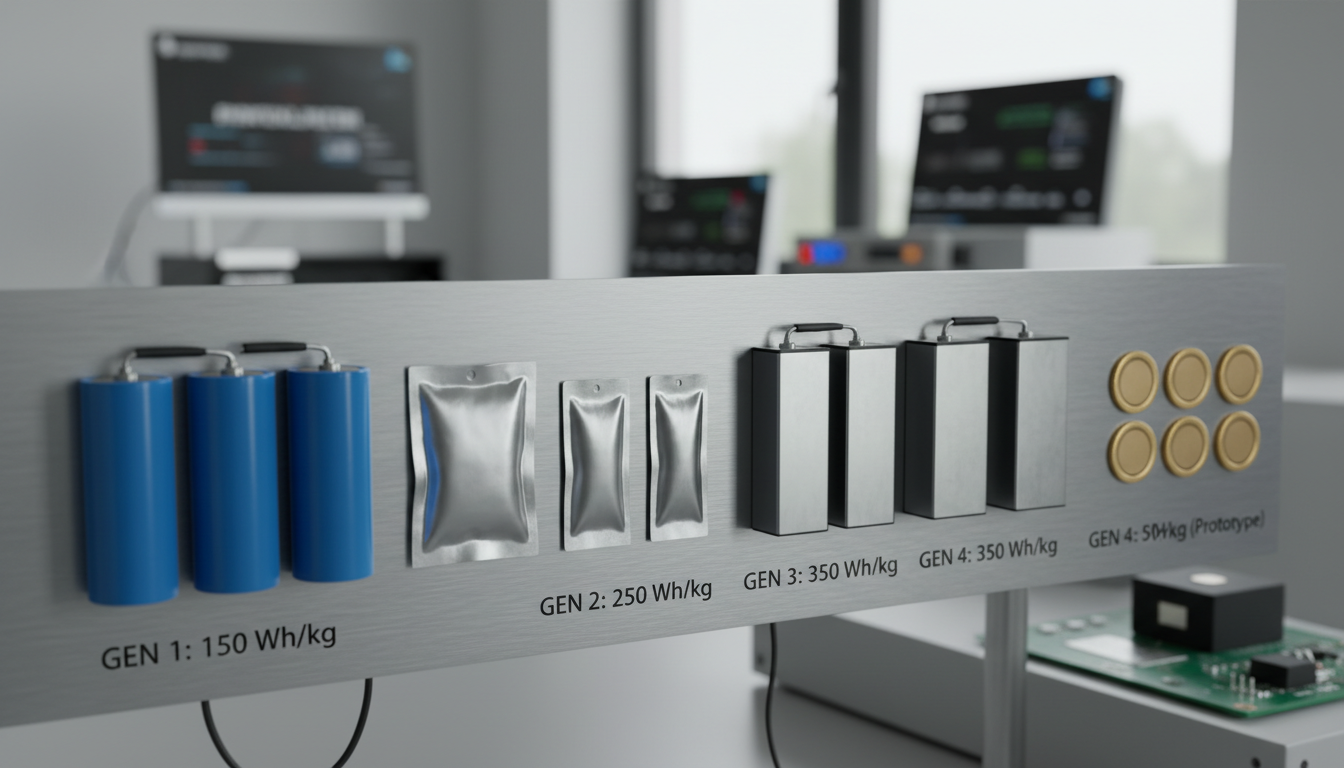
Early EVs used basic lithium-ion chemistry with graphite anodes. Energy density hovered around 100-150 Wh/kg at the cell level. Range anxiety was real because it was justified.
Second Generation (2015-2020): Going Mainstream
Manufacturers refined cathode chemistries with higher nickel content. Energy density climbed to 200-250 Wh/kg. Cell designs improved with better thermal management. The Chevy Volt, Nissan Leaf, and early Tesla models defined this generation.
Third Generation (2020-Present): Performance Meets Practicality
Today's advanced battery cells achieve 250-300 Wh/kg at the cell level, with some pushing toward 350 Wh/kg. Multiple chemistry options exist: high-nickel NCM for performance, LFP for cost and safety, and emerging LFP variants with improved energy density.
We're also seeing manufacturing innovations like cell-to-pack designs that eliminate modules, saving weight and cost while improving energy density at the pack level.
Fourth Generation (2026-2030): The Next Leap
Solid-state batteries are transitioning from lab to production. Companies like Toyota, BMW, and Hyundai target limited deployment between 2026-2028. These promise 50% higher energy density, faster charging, and improved safety.
Semi-solid-state designs using gel electrolytes are already appearing in Chinese vehicles, serving as a bridge technology. Silicon anodes are replacing graphite, offering up to 10x the capacity. Bio-inspired battery technologies are exploring entirely new approaches to energy storage.
Range Improvements: Real-World vs. Lab Numbers
Here's where things get interesting. Official range numbers have improved dramatically, but real-world performance varies based on conditions.
In 2026, a mid-range EV rated at 350 miles WLTP typically delivers:
300-340 miles in mixed city/highway driving at moderate speeds
260-290 miles on highways at 70+ mph
210-280 miles in cold winter conditions
340-380 miles in ideal city driving with regenerative braking
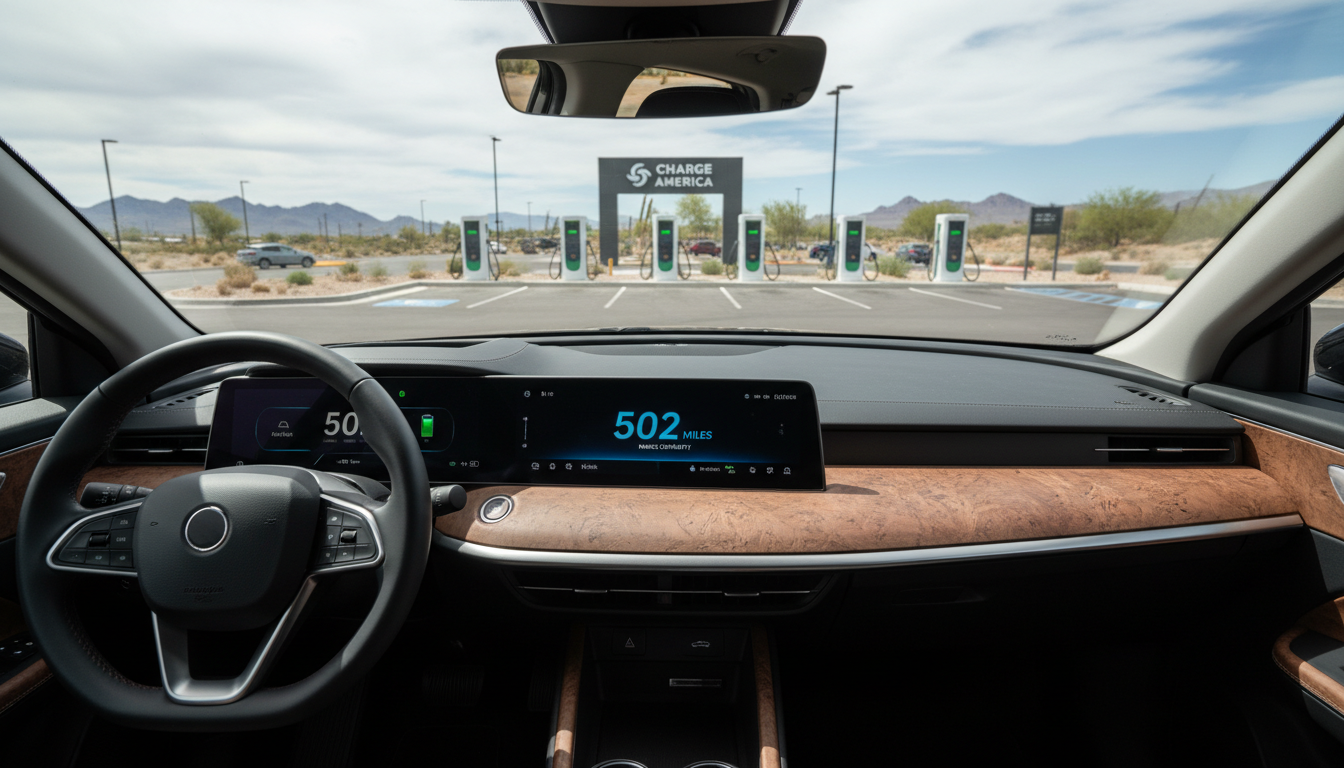
Premium models like the Lucid Air Grand Touring push 839 km (521 miles) WLTP, with real-world highway range exceeding 450 miles. The Mercedes EQS 450+ delivers 683-822 km range with luxury comfort.
These numbers weren't possible five years ago. They won't be the ceiling five years from now.
Manufacturing and Cost Trajectories
Battery pack prices hit a record low of $108 per kWh in 2025, down from over $1,000 per kWh a decade ago. This makes EVs increasingly competitive with gas vehicles on purchase price, not just total cost of ownership.
Manufacturing improvements include:
Dry electrode coating reducing capital costs and energy use
High-speed stacking improving throughput
Advanced formation approaches saving time
Digital twins and inline analytics improving quality control
These advances can push manufacturing yields to 95%, dramatically reducing costs per unit.
What This Means for the Industry
The convergence of these two generational stories creates interesting dynamics.
As Baby Boomers age out of the new vehicle market and Gen Z enters it, the demographic foundation tilts toward EV-ready drivers. At the same time, technology improvements are addressing the exact concerns that older generations cite: range, charging time, and reliability.
Gen X and Millennials are currently buying the most EVs because they sit at the intersection of purchasing power and openness to the technology. But as Gen Z gains economic strength and technology continues improving, adoption rates should accelerate.
China's EV market—where over 50% of new vehicle sales are electric or plug-in hybrid—shows what's possible when technology, infrastructure, and consumer acceptance align. North America and Europe are 5-10 years behind but following similar trajectories.
The Infrastructure Question
Technology alone won't solve adoption barriers. Each generation has different infrastructure needs.
Older drivers need reassurance about charging availability, reliability, and speed. Younger drivers need flexibility—fast charging, home charging solutions for renters, and workplace charging.
The good news? DC fast charging networks are expanding rapidly, and next-generation batteries are designed to handle ultra-fast charging speeds of 10 minutes or less for meaningful range additions.
Conclusion
EV generational characteristics—whether we're talking about age demographics or technology evolution—reveal an industry in rapid transition.
Gen X and Millennials are driving current adoption, motivated by cost savings and environmental concerns but held back by infrastructure worries. Boomers remain cautious about range and new technology despite having the means to buy. Gen Z shows the highest interest but faces economic barriers.
Meanwhile, battery technology has progressed through distinct generations, tripling average range, cutting costs by 90%, and preparing for another leap forward with solid-state designs. The gap between official and real-world range is narrowing as engineering improves.
The next decade will see these trends accelerate. As vehicle generations improve and younger demographic generations gain purchasing power, EVs will shift from alternative to mainstream—not because of mandates, but because they simply make more sense.
Highstar attaches great importance to your personal privacy. When you visit our website, please agree to the use of all cookies. More information about the processing of personal data can be found at "Privacy Policy"


 Buy
Buy