ATP-Based Ionic Compounds: Bridging Biological Energy and Battery Technology
Related Topics
Discover how ATP-based ionic compounds merge biological energy systems with advanced battery materials, offering sustainable solutions for next-generation energy storage.
Follow us on
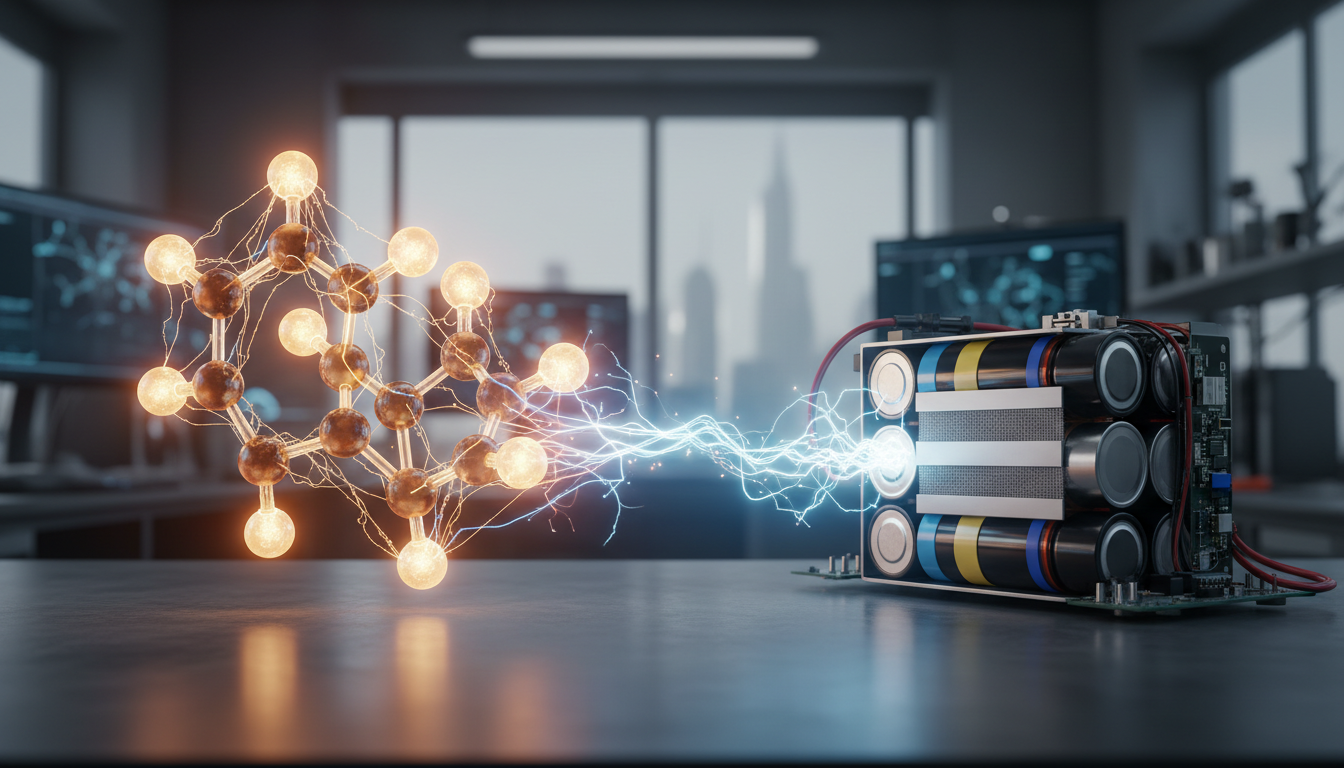
We're living in a time where biology and battery science are starting to merge in ways that sound like science fiction. ATP-based ionic compounds represent one of those intersections—where the energy molecule that powers every cell in your body meets the ionic chemistry that drives our lithium batteries. And honestly, the potential here is pretty exciting.
At its core, adenosine triphosphate exists as a complex ion with three phosphate groups attached to an adenosine molecule. When we talk about ATP-based ionic compounds, we're looking at how this biological powerhouse can inspire or directly contribute to materials science, particularly in energy storage systems. Think of it as taking lessons from 3 billion years of evolution and applying them to battery tech.
What Makes ATP an Ionic Compound
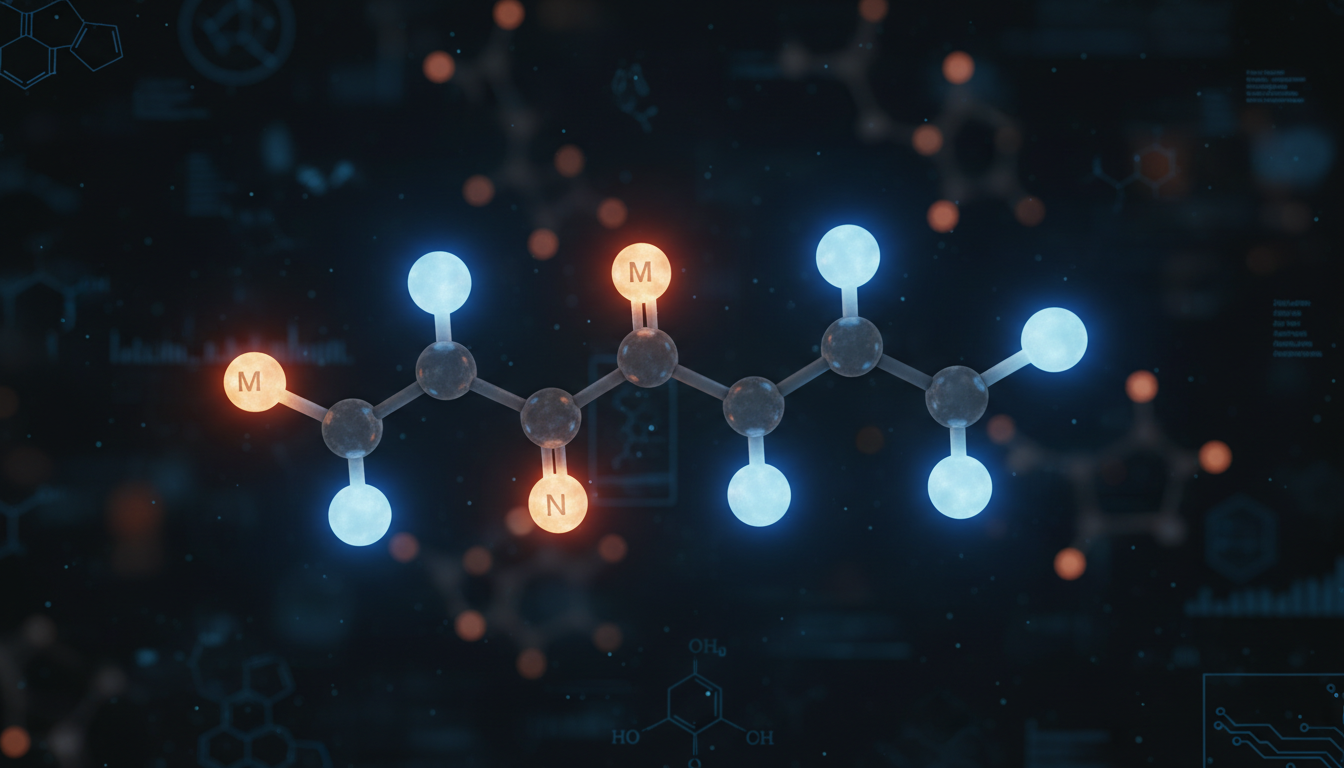
ATP consists of three components: a nitrogenous base (adenine), the sugar ribose, and the triphosphate[1]. Here's the thing—those phosphate groups don't just sit there quietly. They carry negative charges, making ATP behave as a polyanion in solution.
The structure is a nucleoside triphosphate with three serially bonded phosphate groups, commonly referred to as the "energy currency" of the cell[3]. In biological systems, ATP typically forms complexes with metal ions like magnesium and calcium. These metal-ATP complexes are what we'd call coordination compounds or ionic complexes.
The phosphate groups in ATP create strong electrostatic interactions with cations, which is exactly the kind of ionic behavior we see in battery electrolytes and electrode materials. The presence of alkaline earth metal ions such as Mg2+ and Ca2+ significantly affects ATP's Gibbs free energy[10], showing how ion interactions matter in energy systems.
ATP as a Phosphorus Source in Battery Materials
Here's where things get really practical. Adenosine triphosphate is a widely used organophosphorus compound produced through biological fermentation technology, and using ATP as a phosphorus source for synthesizing LiFePO4 offers unique advantages, including its biological origin, sustainability, and controlled release of phosphate ions[1].
Researchers have started using ATP in the solvothermal synthesis of lithium iron phosphate cathode materials for batteries. Traditional phosphorus sources like H3PO4 or NH4H2PO4 work fine, but they come with environmental costs. ATP offers a greener alternative.
At 0.3 M concentration and 180 °C for 4 hours, LiFePO4 exhibits well-defined nanorod morphology with superior electrochemical performance, delivering 154.27 mAh g−1 at 1 C and 110.09 mAh g−1 at 10 C[1] after carbon coating. Those numbers matter when you're trying to build high-rate batteries.
Ionic Transport in Biological vs Battery Systems
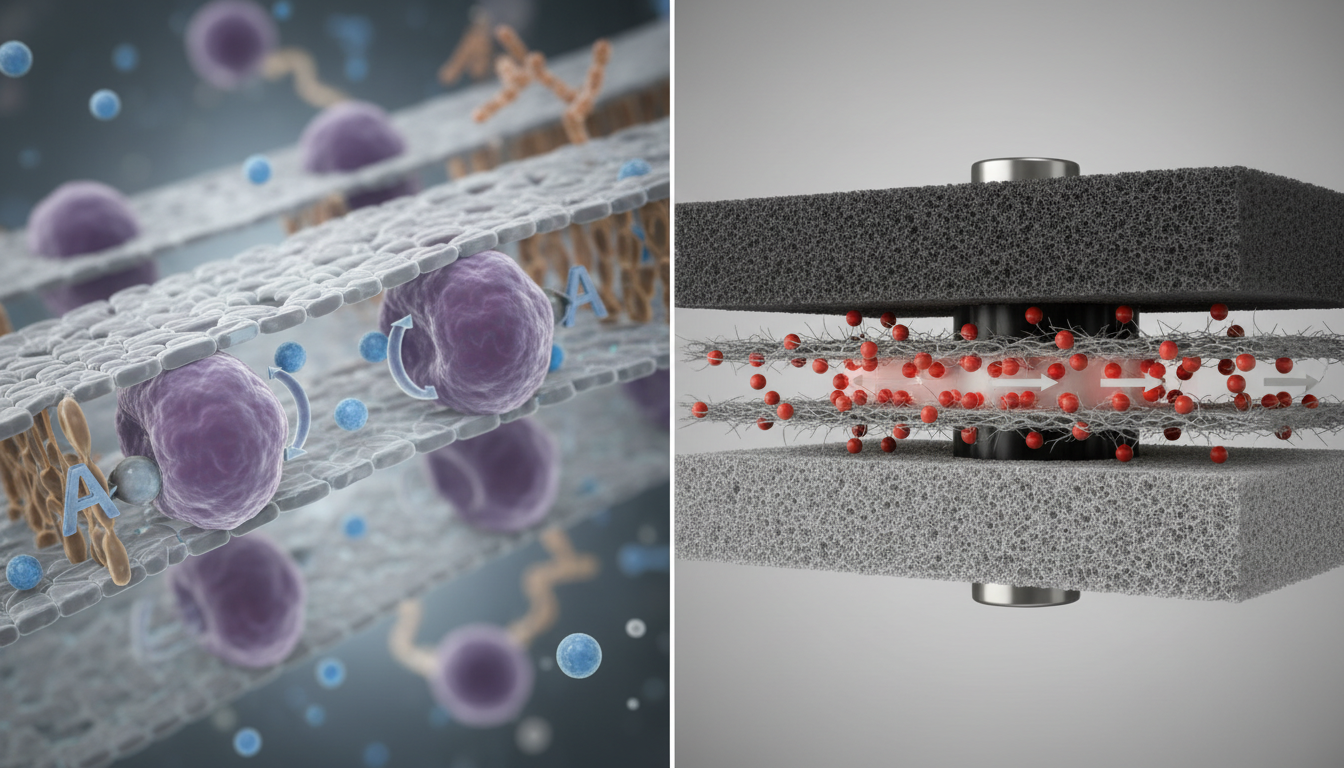
Biological processes receive energy from adenosine triphosphate molecules, which exist as complex ions[1]. The parallel between biological ion transport and battery ion transport isn't just metaphorical—it's mechanistic.
In cells, ATP-powered ion pumps move sodium, potassium, and calcium ions across membranes against concentration gradients. The electrochemical potential difference is defined as ΔG = −eΔV + kBT ln(cin/cout), where ΔV is the cross-membrane electrical potential[4]. Sound familiar? It's basically the same equation governing ion movement in battery electrolytes.
Inspired by battery electrochemistry, researchers have developed an 'electron battery' configuration where ions travel through an external circuit to interact with biosystems while electrons transport internally[1]. This inverted design shows we can learn from both directions.
Phosphate Polyanion Chemistry
The polyanion framework in ATP is chemically similar to the phosphate polyanions used in high-voltage lithium-ion battery cathodes. Phosphate polyanion materials (LiMPO4) show promising candidacy with high electrochemical potential (4.8–5 V vs Li/Li+), long cycle stability, low cost, and achieved specific capacity (∼165 mAh·g–1)[2].
We see ATP's three phosphate groups bonded in series, creating high-energy bonds. The two bonds between the phosphates are equal high-energy bonds (phosphoanhydride bonds) that, when broken, release sufficient energy[2]. Battery materials use similar phosphate bonding to achieve stable frameworks for lithium-ion insertion and extraction.
The olivine structure of LiFePO4 battery materials shares structural similarities with phosphate-containing biomolecules. Both rely on strong ionic interactions between metal cations and phosphate anions to maintain stability while allowing ion mobility.
ATP-Inspired Sustainable Battery Design
The products of oxidation reaction inside sugar batteries are mainly water, carbon dioxide, and recyclable adenosine triphosphate[7]. This approach to using biological molecules in energy storage systems represents a shift toward sustainable chemistry.
Traditional battery manufacturing relies on mining and refining lithium, cobalt, and other metals with significant environmental footprints. ATP production through fermentation offers a renewable alternative for obtaining phosphate precursors. It's not perfect yet, but it opens doors.
The high-energy lithium-ion batteries we develop at Highstar focus on optimizing ionic conductivity and structural stability. Understanding how nature achieves similar goals with ATP-based systems informs our materials design philosophy.
Ionic Conductivity and Energy Density
In solid polymer electrolytes, Li+ ions transport mainly via segment motion, ion hopping (Grotthuss mechanism), or vehicle mechanism (mass diffusion)[3]. ATP molecules in biological systems use similar mechanisms for facilitating ion movement.
An average adult human processes around 50 kilograms (about 100 moles) of ATP daily[1]. That's an incredible energy throughput achieved through ionic chemistry at room temperature in aqueous solution. If we could replicate even a fraction of that efficiency in batteries, we'd revolutionize energy storage.
Lithium–iron phosphate batteries have a high energy density of 220 Wh/L and 100–140 Wh/kg, with battery charge efficiency greater than 90% and cycle life approximately 2000 at 80% deep discharge rate[9]. Our cylindrical cells and prismatic cells leverage similar phosphate chemistry for reliable performance.
Future Directions and Challenges
The field is still developing. While using ATP as a precursor for battery materials shows promise, scaling remains a challenge. Biological fermentation can produce ATP economically, but integrating it into industrial battery manufacturing requires process optimization.
Solid-state electrolytes bring excellent safety, large electrochemical windows, a wide operating temperature range, and superior thermal stability, with electrochemical windows reaching 6 V versus metallic Li[3]. Incorporating bio-derived phosphate sources into solid-state systems could combine sustainability with performance.
High-entropy metal cation mixes improve ionic conductivity in compounds, and high-entropy design can lead to orders of magnitude increases in ionic conductivity regardless of the crystal framework[9]. This principle applies whether we're working with synthetic or bio-derived materials.
We're also seeing research into how ATP-metal complexes can serve as models for understanding ionic interactions in concentrated electrolytes. The fundamental chemistry is remarkably similar—cations coordinating with anionic oxygen atoms from phosphate groups, creating dynamic equilibria that allow ion transport.
Conclusion
ATP-based ionic compounds sit at the crossroads of biochemistry and materials science. Whether we're using ATP as a sustainable phosphorus source for cathode materials, studying its ionic behavior to improve electrolyte design, or drawing inspiration from biological energy systems, the connections are real and valuable.
The ionic chemistry that makes ATP the universal energy currency of life—those high-energy phosphate bonds, the metal complexes, the controlled ion transport—offers genuine insights for next-generation battery technology. We're not just mimicking nature here; we're learning from 3 billion years of R&D.
As battery demands grow for electric vehicles, grid storage, and portable electronics, sustainable precursors like ATP will likely play a bigger role. The technology is young, but the potential is solid. And honestly, there's something satisfying about using the molecule that powers life to build better batteries.
FAQs
What makes ATP an ionic compound?
ATP contains three negatively charged phosphate groups bonded to adenosine, making it a polyanion that forms ionic complexes with metal cations like magnesium and calcium. These electrostatic interactions between the phosphate anions and metal cations give ATP its ionic character, similar to how ions behave in battery electrolytes.
Can ATP really be used in battery manufacturing?
Yes, researchers have successfully used ATP as a phosphorus source for synthesizing lithium iron phosphate cathode materials. ATP offers advantages like biological origin, sustainability through fermentation production, and controlled phosphate release during synthesis. Current research shows promising electrochemical performance, though industrial scaling is still being optimized.
How does ATP compare to traditional battery materials?
ATP itself isn't a replacement for battery electrodes, but it serves as a sustainable precursor for phosphate-based cathode materials. Batteries made using ATP-derived phosphates show performance comparable to those made from traditional phosphorus sources, with the added benefit of lower environmental impact and renewable sourcing through biological fermentation.
What is the connection between biological ion transport and battery function?
Both systems rely on ionic movement driven by electrochemical potential differences. ATP-powered ion pumps in cells use similar thermodynamic principles as lithium-ion batteries—moving charged particles against concentration gradients to store energy. Understanding biological ion transport mechanisms helps researchers design better battery electrolytes and electrode materials.
Are ATP-based batteries commercially available?
Not currently. While ATP is being used as a precursor material in research settings to synthesize cathode materials like LiFePO4, commercial batteries don't contain ATP directly. The technology is in the research and development phase, with scientists exploring how bio-derived compounds can contribute to sustainable battery manufacturing at scale.
Highstar attaches great importance to your personal privacy. When you visit our website, please agree to the use of all cookies. More information about the processing of personal data can be found at "Privacy Policy"


 Buy
Buy