46 Series Battery: The 4695 Cylindrical Cell Powering Rivian's R2
Related Topics
The 46 Series Battery (4695) offers six times the capacity of 2170 cells and will power Rivian's R2. Learn about specs, benefits, and why automakers are making the switch.
Follow us on
Electric vehicle batteries are getting bigger, and there's a good reason. LG Energy Solution will provide Rivian with its advanced 4695 cylindrical batteries for over five years, totaling 67GWh, which will power Rivian's R2 models for the North American market. This isn't just another battery deal—it's a signal that the 46 Series Battery format is becoming the new standard in EV technology.
The shift from smaller cells like the 2170 to larger formats like the 4695 reflects what automakers need: more range, better safety, and lower costs. We're seeing companies like Highstar track these developments closely, as battery form factors play a huge role in EV performance and manufacturing efficiency.
What Is a 46 Series Battery?
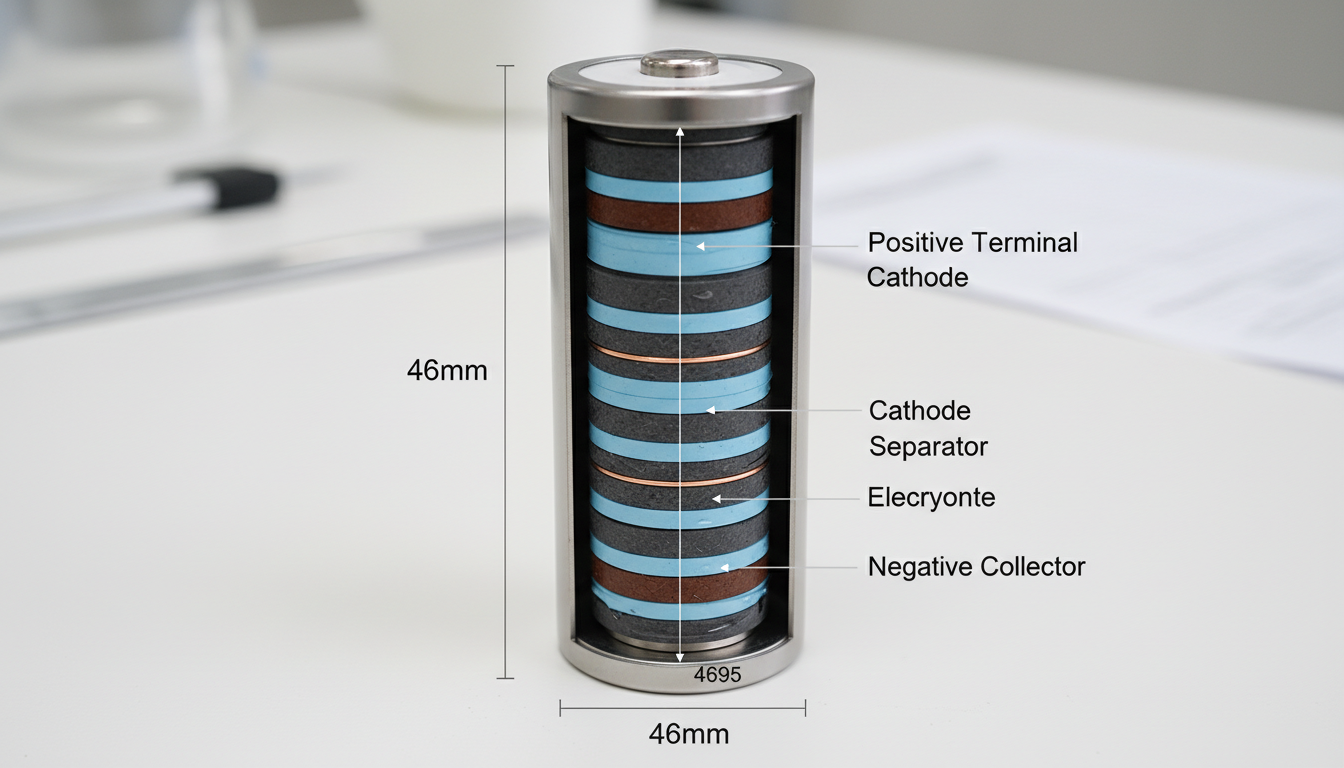
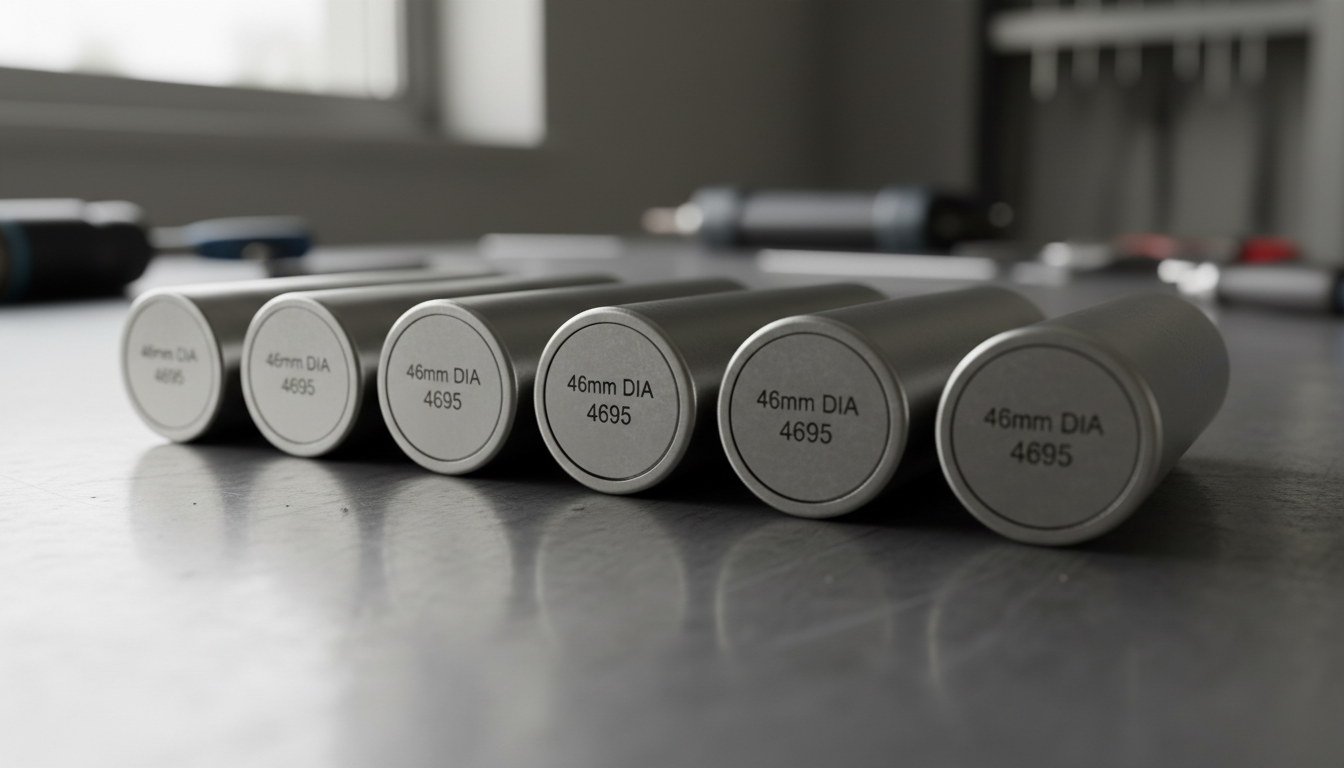
With a diameter of 46mm and height of 95mm, the next-generation 4695 cylindrical battery is recognized for offering both a long range and high safety. The "46" refers to the 46mm diameter, while the "95" indicates the height in millimeters. This makes it taller than Tesla's 4680 cell (which is 80mm tall) but shares the same diameter.
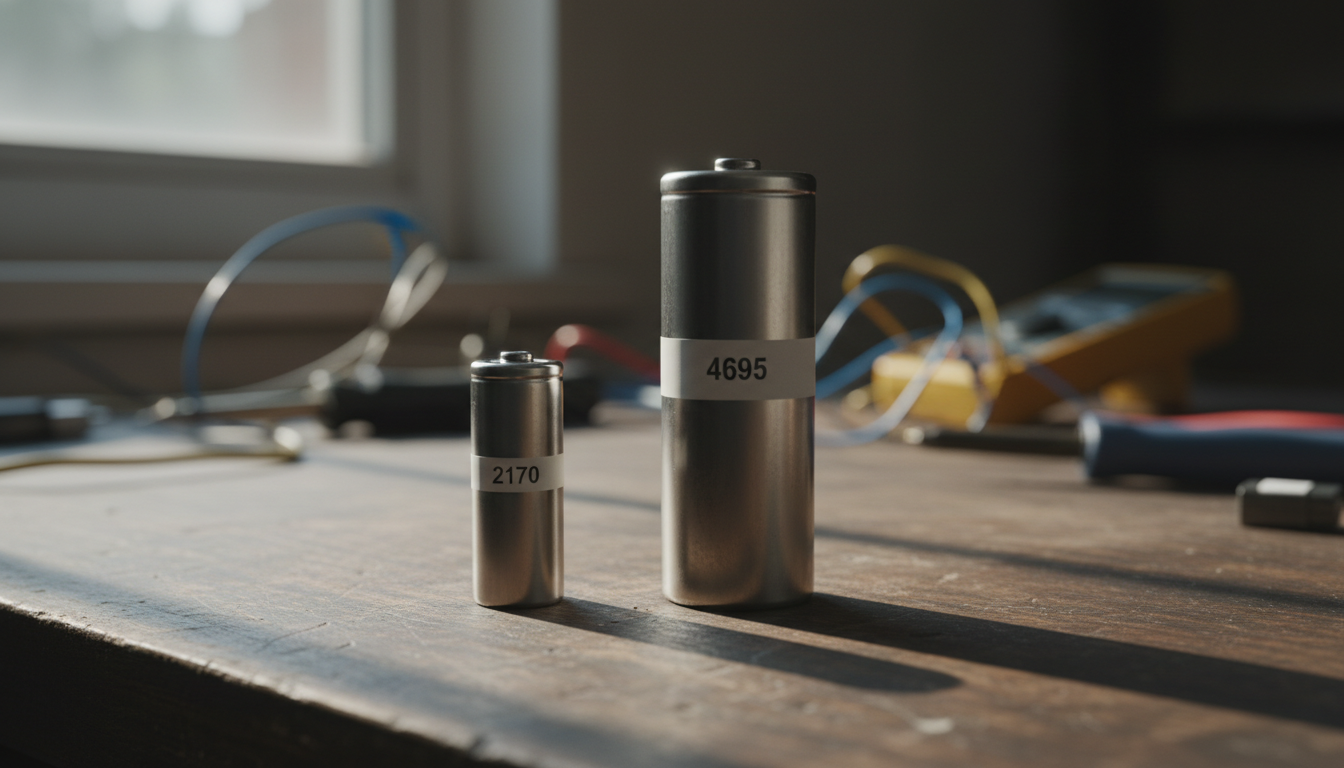
It features over six times the capacity of the existing 2170 cylindrical batteries. Its larger size enables higher energy density, improved space efficiency, and enhanced safety. The 2170 cells currently power many EVs, including Tesla's Model 3 and Rivian's R1 series. But the 4695's larger size means fewer cells are needed to achieve the same energy output, which simplifies manufacturing and reduces production costs.
For context, cylindrical battery technology has been around for decades, but these larger formats represent a new generation of design.
Why Automakers Are Choosing 4695 Cells
"Due to the dynamic nature of the current EV market, an increasing number of global automakers are demonstrating a strong preference for a diverse range of battery form factors," said David Kim, CEO of LG Energy Solution. Automakers want options—and the 4695 format offers a sweet spot between capacity and manufacturability.
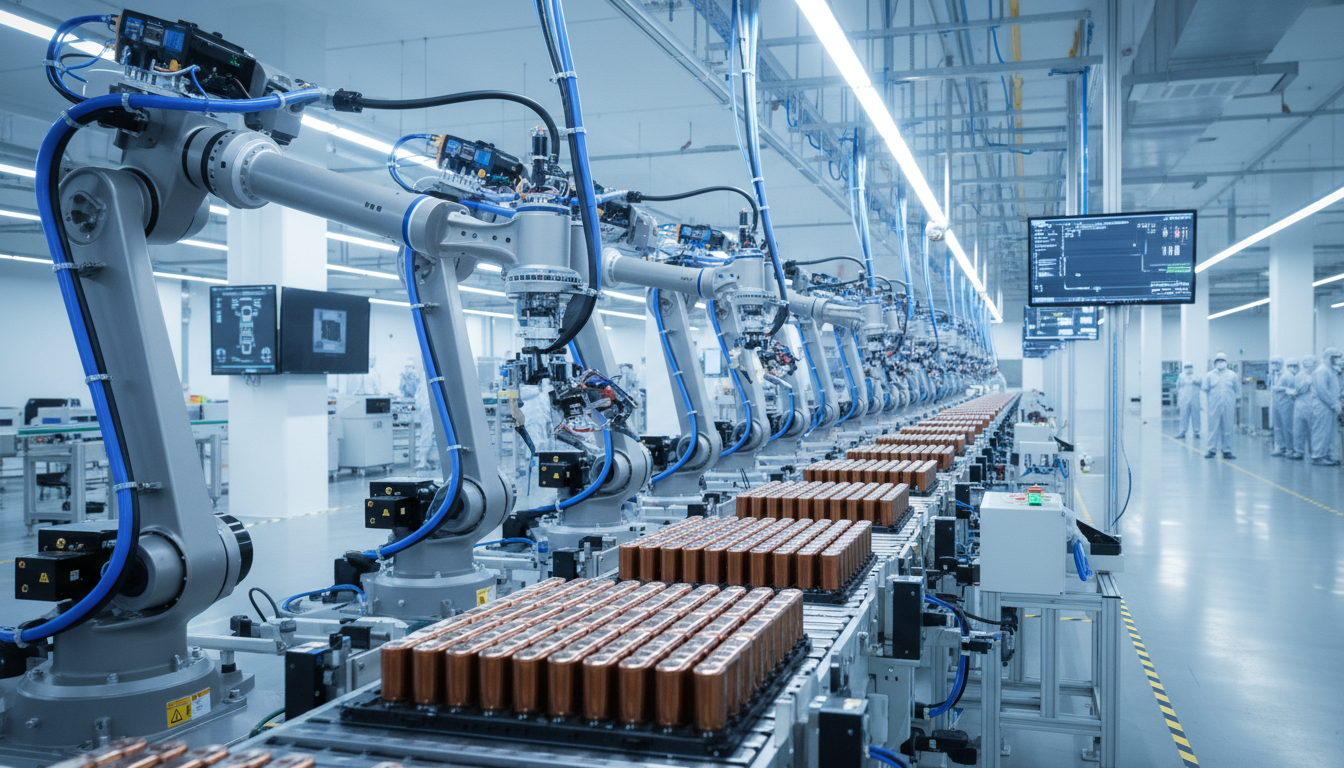
From a production perspective, the main advantage of the new cell is clearly reflected in its internal structure: the electrodes are wound and do not need to be stacked in a complex process. At the same time, the size of the cell also significantly reduces the individual steps required to produce a finished battery pack. This means faster production lines and lower labor costs.
This battery also supports Rivian's goal of reducing manufacturing costs, helping to make the R2 its most affordable model for the mass market. Rivian projects a 45% improvement in battery pack assembly efficiency for the R2 compared to the R1 platform. That's a massive jump in efficiency, which translates directly to a more affordable vehicle.
4695 vs 2170: How They Compare
The differences between these two formats are significant. They stand dimensionally different versus Tesla's 4680 cell format (46 mm x 80 mm), which reportedly carries with it some additional production challenges, the 2170 format (21 mm x 70 mm) used in the Rivian R1 lineup and the Tesla Model Y and Model 3, among others.
Here's what the size difference means in practice: The capacity of 4680 battery is 26000mAh. But the 4695 battery capacity are always more than 30000mah, that means the capacity of 4695 battery are large than 4680 battery typically. More capacity per cell means you need fewer cells to build a battery pack, which reduces the number of connections, potential failure points, and overall system complexity.
The high-power 46-series ternary battery cells developed specifically for EVs have an energy density of up to 310Wh/kg, and can be fast charged to 80% in 18 minutes at room temperature. Compare that to older formats that often take 30+ minutes to reach 80%, and you can see why automakers are excited about this technology.
Companies developing ternary lithium battery solutions are paying close attention to these specs.
Manufacturing and Supply Chain
Within the first year of production, the batteries will be eventually manufactured at LG Energy Solution's stand-alone plant in Arizona. This is significant for several reasons. First, it means batteries for North American vehicles will be made in North America, which helps with supply chain resilience and qualifies vehicles for tax incentives under the Inflation Reduction Act.
During its reveal, Rivian shared that it expects the R2 BEV to reach the market in the first half of 2026. If that timeline holds, it should be right around when LG Energy Solution begins producing batteries for those Rivian models in Arizona. The timing is tight, but both companies have aligned their production schedules.
LG Energy Solution has been advancing its cylindrical battery technology over the past 20 years, supported by its extensive manufacturing experience and broad patent portfolio. This isn't new territory for LG—they've been producing cylindrical cells for years, just not at this scale.
Safety and Performance Advantages
Large cylindrical batteries have the advantages of ultra-high specific energy, high safety and low impedance, which perfectly meet the needs of power battery material system innovation and structural innovation. Safety is a major selling point. The larger format allows for better thermal management because there's more surface area relative to the internal volume.
In the automotive industry, much is promised from the cell: High power density and fast charging capability, more efficient integration in the battery pack or vehicle chassis, and cost advantages due to the simpler cell manufacturing processes typical for cylindrical cells. These aren't just marketing claims—the physics of larger cells means better heat distribution and reduced risk of thermal runaway.
The structural integrity of 4695 cells also supports newer integration methods. As Rivian confirmed earlier this year with their reveal, the R2, R3, and R3X are all set to be built around the same next-generation architecture, focused around a structural battery pack with these 4695-format cylindrical cells. This means the battery pack itself becomes part of the vehicle's structure, reducing weight and improving rigidity.
The Market Shift Toward 46-Series Batteries
Given the strong interest from automakers in its 46-series cylindrical batteries, LG Energy Solution also expects to extend its leadership in this growing sector. BMW has also announced plans to use 46-series cells in their upcoming Neue Klasse platform, indicating this isn't just a Rivian or Tesla trend—it's an industry-wide shift.
In addition to Tesla as a pioneer, OEMs such as BMW and General Motors have also announced their intention to use the cell in the future. At the same time, there is an expanding field of battery manufacturers that are building production capabilities, or at least aiming to build manufacturing capabilities. When multiple automakers adopt the same format, it creates economies of scale that benefit everyone.
For battery pack designers, understanding different cell formats is becoming more complex as options multiply. The 46-series format is likely to become one of the dominant standards over the next five years.
Conclusion
The 46 Series Battery represents more than just a size increase—it's a smarter approach to EV battery design. With six times the capacity of 2170 cells, better thermal management, and simpler manufacturing processes, the 4695 format addresses many of the challenges that have limited EV adoption. Rivian's partnership with LG Energy Solution to produce these cells in Arizona shows how serious automakers are about scaling production and reducing costs. As more companies adopt this format, we'll see faster-charging, longer-range vehicles at more affordable prices.
FAQs
What does 4695 mean in battery terminology?
The numbers refer to the physical dimensions of the cylindrical cell: 46mm in diameter and 95mm in height. This naming convention is standard across the battery industry, making it easy to identify cell sizes at a glance.
How much capacity does a 4695 battery have compared to older formats?
A 4695 cell typically has over 30,000mAh capacity, which is six times greater than the 2170 cells used in many current EVs. This means fewer cells are needed per battery pack, reducing complexity and cost.
Will the 4695 battery be used in other vehicles besides Rivian's R2?
Yes. BMW has announced plans to use 46-series batteries in their Neue Klasse platform, and other automakers are evaluating the format. LG Energy Solution's Arizona facility will likely supply multiple manufacturers as production scales up.
What are the safety advantages of 4695 batteries?
The larger size allows for better thermal management and heat dissipation, reducing the risk of thermal runaway. The cells also have improved structural integrity, which supports integration methods where the battery pack becomes part of the vehicle's chassis.
When will vehicles with 4695 batteries be available?
Rivian plans to begin deliveries of the R2 in the first half of 2026, which will be among the first vehicles to use 4695 cells. BMW's timeline for their Neue Klasse platform is expected to be around 2025-2026 as well.
Highstar attaches great importance to your personal privacy. When you visit our website, please agree to the use of all cookies. More information about the processing of personal data can be found at "Privacy Policy"


 Buy
Buy